The time required for roof repairs depends on the type of damage, roofing material, accessibility and weather conditions. A minor repair may be completed relatively quickly, while extensive storm damage or structural deterioration can require several days or longer. Understanding the factors involved helps homeowners establish realistic expectations when arranging professional roofing work.
1. Typical Roof Repair Timeframes
Every roofing project is different, so time estimates should be confirmed after an inspection.
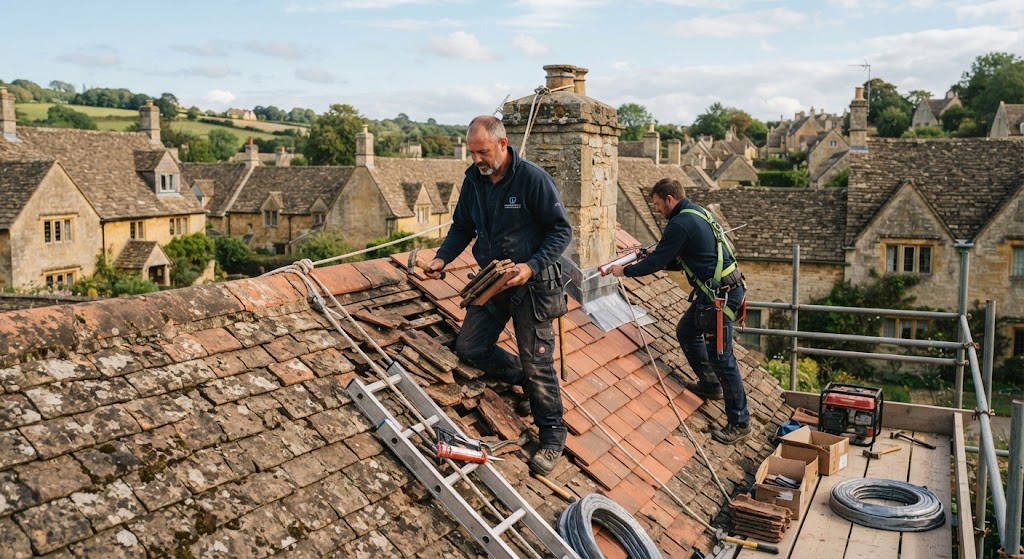
Repair complexity is one of the main factors affecting how long a job takes. Replacing a small number of damaged tiles generally involves less work than repairing multiple roof sections or addressing concealed water damage.
Typical examples include:
- Minor repairs: Replacing a small number of tiles or addressing an accessible, isolated defect may take a few hours.
- Moderate repairs: Replacing flashing, repairing several damaged sections or addressing multiple leaks may require a full day or more.
- Extensive repairs: Widespread deterioration, structural work or substantial storm damage may take several days or longer.
These are broad estimates, not guaranteed completion times. The actual duration depends on site conditions and the scope of work.
2. How Roofing Materials Affect Repair Duration
Different roofing systems require different techniques and materials, influencing the time needed to complete repairs.
Tile Roof Repairs
Replacement matching can affect the schedule if suitable tiles are difficult to source. Repairs involving ridge capping, underlay or damaged supporting components may also take longer than replacing individual tiles.
Metal Roof Repairs
Metal roof repairs may involve replacing fasteners, repairing flashing or installing new sheets. The extent of corrosion, the roof’s layout and the availability of compatible materials can influence the duration.
A qualified roofer can provide a more accurate estimate after examining the specific roofing system.
3. Weather and Roof Accessibility
Australian weather can affect both safety and productivity. Heavy rain, strong winds and thunderstorms may delay roof repairs or make certain tasks unsafe.
Weather-related delays are particularly relevant when work requires exposed roof access or adhesives and sealants that need suitable application conditions.
Access arrangements also matter. Steep roofs, multi-storey properties and restricted working areas may require additional safety equipment and preparation.
4. Hidden Damage and Material Availability
The visible defect does not always reveal the full extent of a roofing problem. Once damaged materials are removed, a contractor may discover deteriorated timber, wet insulation or defective underlay.
Unexpected findings can extend the project because additional repairs may be necessary to restore the roof properly.
Material availability can also influence scheduling, particularly when replacement tiles, specialist flashing or specific metal profiles must be sourced.
5. How to Get a More Accurate Estimate
A professional inspection provides the best basis for estimating the duration of roof repairs.
Before work begins, ask the contractor about:
- The expected start and completion dates.
- The estimated working time.
- Possible weather-related delays.
- Material lead times.
- How additional damage will affect the schedule.
Clear scheduling helps homeowners plan around noise, restricted access and other temporary disruptions.
Although minor roof repairs can sometimes be completed in a single visit, more complicated projects require careful planning. A qualified roofing professional can explain the likely timeframe, identify potential delays and keep you informed as the work progresses.