
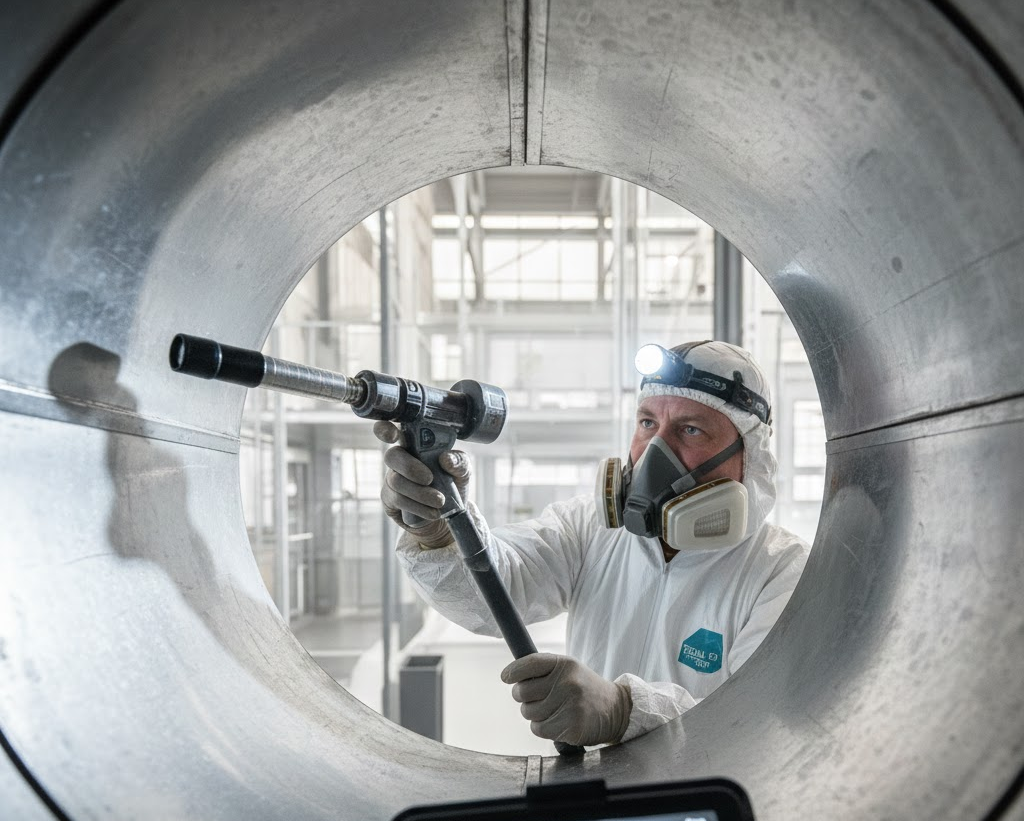
As a vital component of your ventilation system, the make-up air shaft plays a crucial role in maintaining indoor air quality. Over time, it can accumulate dust and debris that hinder its performance. Recognizing the signs that your air shaft needs cleaning can help ensure a healthier and more efficient environment.
Key Indicators of a Dirty Make-up Air Shaft
Unpleasant Odors
One of the most immediate signs that your make-up air shaft is in need of a good cleaning is the presence of unpleasant odors. If you notice musty or stale smells when your HVAC system operates, it could be a result of mold or dust buildup inside the shaft. These odors can permeate the air and affect indoor air quality, making it crucial to address the issue swiftly.
Inconsistent Airflow
If you observe inconsistent airflow throughout your space, this may be another sign that it’s time for a cleaning. Dirty air shafts can block the flow of air, leading to hot or cold spots in rooms. A balanced airflow is essential for the efficient functioning of heating and cooling systems, and a clean air shaft plays a vital role in maintaining this balance.
Effects on Indoor Air Quality
Increase in Allergens and Pollutants
Another major concern is the increase in allergens and indoor pollutants that can arise from a dirty make-up air shaft. Dust, pet dander, and other particles can play havoc with your health, especially for those with respiratory issues or allergies. A clean air shaft ensures that the air circulating in your home or office is free from these harmful particles.
Signs of Visible Contamination
Take a moment to inspect the vent covers or ducts. If you notice visible contamination such as dust build-up, debris, or even mold growth, it’s time to take action. Stains around the vents may indicate moisture issues, leading to a more significant mold problem if not addressed. Regularly inspecting these areas can help catch problems before they escalate.
Energy Efficiency Concerns
Higher Energy Bills
If you’ve noticed a spike in your energy bills, a dirty make-up air shaft could be a contributing factor. When airflow is obstructed, your HVAC system must work harder to maintain the desired temperature, consuming more energy in the process. Cleaning the air shaft can help restore efficiency, leading to reduced energy costs.
Poor System Performance
Moreover, your HVAC system’s overall performance may deteriorate due to neglecting the cleaning of the make-up air shaft. Frequent system breakdowns and costly repairs can be your system’s way of signaling that it requires attention. Regular cleaning not only prolongs the lifespan of your equipment but also maintains its capability to efficiently heat or cool your space.
Preventive Measures and Maintenance Tips
Scheduling Regular Inspections
To avoid the myriad issues associated with a dirty make-up air shaft, consider being proactive with regular inspections. Professional HVAC technicians can provide comprehensive evaluations of your system, identifying early warning signs and allowing for timely cleanings when necessary. This approach can save homeowners considerable stress and expense.
Investing in Quality Filters
Additionally, investing in high-quality HVAC filters can significantly reduce the amount of dust and debris that accumulates in your system. By changing filters regularly, you can enhance air quality and prolong the lifespan of your HVAC components.
Cleaning Recommendations
For those who choose to clean the make-up air shaft themselves, ensure you have the proper tools and protective gear. A available shop vac, brushes, and cleaning solutions will aid in the effective removal of dirt and grime. However, for more extensive issues, hiring a professional service is highly recommended.
Maintaining a clean make-up air shaft is essential for both efficiency and air quality in your space. If you notice any of the warning signs mentioned, it’s advisable to consult an HVAC expert to ensure your system operates optimally. Regular cleaning can prevent larger issues down the line, ultimately safeguarding your environment.

