
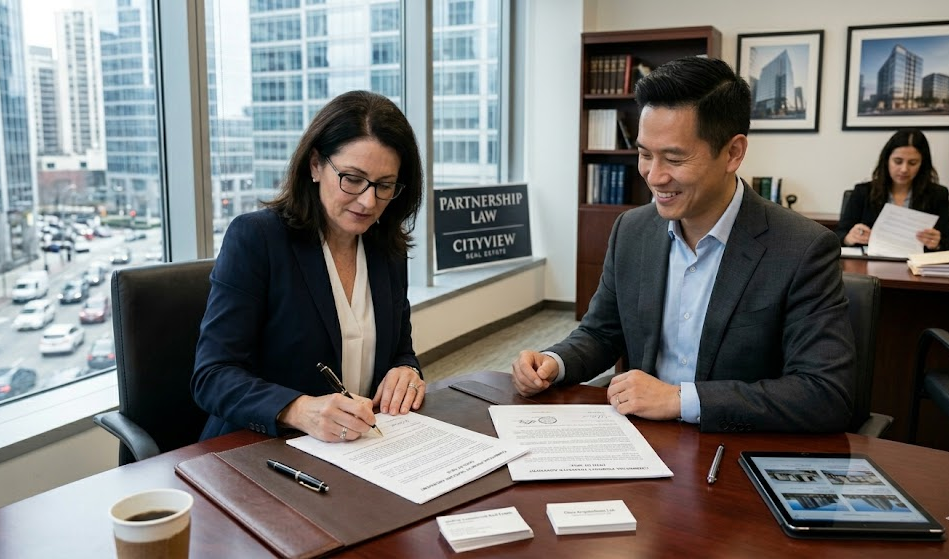
The realm of commercial property transfers is often shrouded in complexity, requiring keen navigation through various legal requirements and steps. Understanding the intricacies involved not only ensures compliance but also protects the interests of parties involved in such transactions. This article delves into the essential legal steps necessary for a seamless transfer of commercial property ownership.
Step 1: Letter of Intent
The process of commercial property transfers typically begins with a Letter of Intent (LOI), a non-binding document that outlines the basic terms of the deal — the proposed purchase price, deposit amount, due diligence period, and closing timeline. While the LOI is not legally enforceable in most cases, it sets the tone for negotiations and signals that both parties are serious about moving forward.
Getting the LOI right matters. Vague or poorly drafted terms can create misunderstandings down the line. It is advisable to have a real estate attorney review the document before signing, even at this early stage.
Step 2: Due Diligence
Once the LOI is signed, the buyer enters the due diligence period. This is arguably the most critical phase of any commercial property transfer. During this time, the buyer has the right to investigate every aspect of the property before committing to the purchase.
Legal due diligence typically includes reviewing the title history to confirm ownership and identify any liens, encumbrances, or easements. The buyer’s attorney will also examine existing leases if the property has tenants, zoning compliance documents, environmental reports, and any pending litigation involving the property.
Environmental due diligence deserves special attention. Commercial properties can carry significant liability if they are found to be contaminated with hazardous materials. A Phase I Environmental Site Assessment is standard practice, and a Phase II assessment may follow if concerns are identified.
Step 3: Purchase and Sale Agreement
After due diligence is complete, the parties move on to drafting and negotiating the Purchase and Sale Agreement (PSA). This is the binding legal contract that governs the entire transaction. It covers the final purchase price, payment terms, representations and warranties made by each party, conditions of closing, and what happens if either party defaults.
Representations and warranties are particularly important in commercial deals. The seller typically makes statements about the property’s condition, legal status, and compliance with applicable laws. If those representations turn out to be false, the buyer may have legal recourse after closing.
Negotiating the PSA can be a lengthy process. Both sides will often push back on liability caps, indemnification clauses, and conditions for closing. Having an experienced commercial real estate attorney at this stage is not optional — it is essential.
Step 4: Financing and Lender Requirements
If the buyer is financing the purchase, the lender will have its own set of legal requirements that must be satisfied before funds are released. This typically includes a commercial appraisal, a property survey, title insurance, proof of adequate insurance coverage, and sometimes a review of the buyer’s financial statements and business plan.
The lender may also require certain conditions be met regarding existing leases, particularly if rental income from the property is part of the loan repayment strategy.
Step 5: Title Search and Title Insurance
A thorough title search is conducted to confirm that the seller has clear ownership of the property and that there are no outstanding claims against it. Any issues discovered — such as unpaid taxes, mechanics’ liens, or disputed ownership — must be resolved before closing can proceed.
Title insurance is strongly recommended and often required by lenders. It protects the buyer and the lender against future claims that may arise from title defects not discovered during the search.
Step 6: Closing
The closing is the final legal step in the transfer of a commercial property. At closing, all documents are signed, funds are transferred, and ownership officially passes from seller to buyer. The deed is then recorded with the appropriate government authority to make the transfer part of the public record.
Closing costs in commercial transactions can be substantial, including legal fees, transfer taxes, recording fees, and title insurance premiums.
Final Thoughts
Commercial property transfers are complex legal processes where every step carries real risk. Working with qualified professionals throughout the transaction is not just advisable — it is the smartest way to protect your investment and ensure a smooth transfer from start to finish.


