
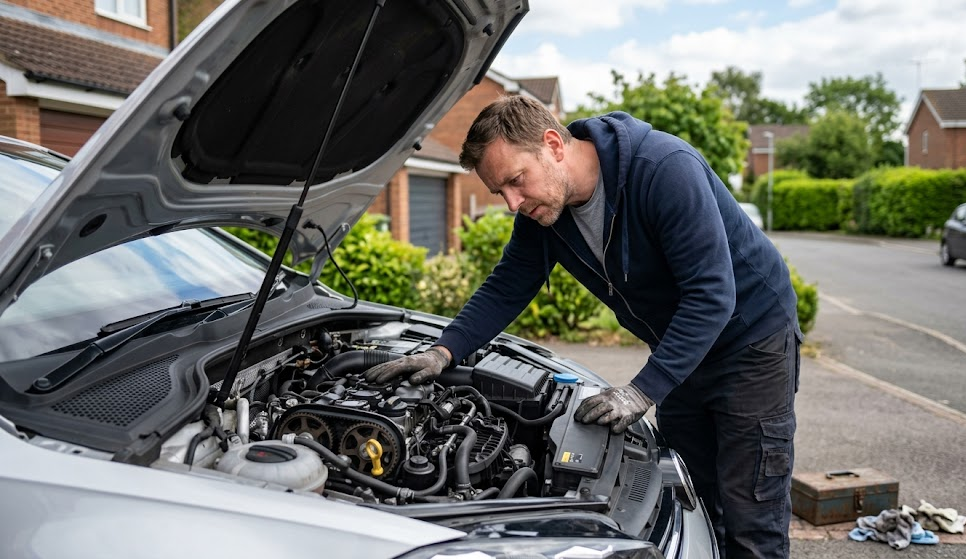
Have you ever been taken aback by an unexpected sound from your car? Strange vehicle noises can often leave drivers puzzled and concerned. Understanding what these noises signify can be vital for preventative maintenance, potentially saving you from costly repairs and ensuring your vehicle’s longevity.
Identifying Common Vehicle Noises
Knowing how to identify strange sounds is essential for every driver. Here’s a look at several common noises and what they may indicate about your vehicle.
Squealing When Braking
If you hear a high-pitched squealing sound when braking, it’s likely a sign that your brake pads are wearing thin. These pads come equipped with wear indicators, which produce noise to alert you. Ignoring this could lead to more severe braking issues, so it’s advisable to replace them soon.
Grinding When Braking
A grinding noise during braking often indicates serious issues, such as metal-on-metal contact caused by worn-out brake pads. It’s critical to replace the pads immediately and inspect the entire brake system, including calipers and rotors, to ensure functionality.
Knocking from the Engine
Hearing a knocking sound from the engine can be alarming. This noise could be due to a range of mechanical problems, from misfiring to worn bearings. Consulting a professional for vehicle diagnosis is essential to get to the root of the problem.
Understanding Internal Noises
Sometimes, noises can originate from specific internal components of your vehicle. Identifying these can help in troubleshooting mechanical problems effectively.
Hissing and Whining Under the Hood
A hissing sound from the hood usually indicates a leaking coolant line. If you hear this noise, pulling over to evaluate the situation is wise. Conversely, a whining noise when turning the steering wheel often points to issues with the power steering system, either due to low fluid levels or a failing pump.
Rattling Under the Vehicle
Rattling noises from underneath can hint at loose exhaust components or a problematic heat shield. Ignoring this sound could lead to further issues, such as exhaust leaks exposing occupants to harmful fumes.
Spotting Transmission-Related Noises
Transmission issues can also present themselves through distinctive sounds. It’s essential to understand these to avoid significant mechanical failures later.
Grinding When Shifting Gears
Experiencing a grinding sound when shifting gears often indicates issues related to the transmission or clutch. Begin troubleshooting by checking transmission fluid levels. If the noise persists, consulting a technician is a must for further investigation.
Whirring Sound Upon Acceleration
A whirring sound during acceleration may signal underlying problems with the wheel bearings. If you can do so safely, check the wheel to ensure it spins freely; a failing bearing should be replaced immediately to avoid additional complications.
Evaluating Vehicle Troubleshooting Methods
When addressing strange vehicle noises, effective car troubleshooting is paramount. Here are some tips and signs to consider.
- Make a habit of monitoring noises regularly; early identification can prevent bigger issues.
- Always get a professional vehicle diagnosis if sounds are unfamiliar or alarming.
- Consult online resources or guides to familiarize yourself with common mechanical noises.
By staying vigilant about vehicle noises, drivers can catch potential issues early, ensuring their cars operate smoothly. Not all noises signal severe problems, but timely examination is the best practice.
Taking Action on Vehicle Noises
Understanding the significance of strange sounds can spare you from future headaches. Whether it’s a brake squeal or an unusual exhaust noise, taking swift action is key to maintaining your vehicle’s health.
Additionally, never hesitate to seek professional help if you’re in doubt. Establishing a relationship with a trusted mechanic can lead to better sound identification and vehicle care over time, securing not only your investment but also your safety on the road.
Inquire about your vehicle’s needs regularly, and stay informed about potential mechanical problems. For detailed technical insights, explore resources that provide maintenance tips tailored to your vehicle model.
Understanding maintenance and keeping your vehicle in excellent condition can mitigate risks associated with unexpected noises.
By making it a priority to listen to your car, you ensure that you’re not only maintaining its performance but also enhancing your driving experience. Opt for a regular maintenance routine, and always pay attention to those strange sounds—your car is trying to tell you something.


