In the ever-evolving world of manufacturing, CNC plasma technology stands out as a transformative force. Industries are increasingly adopting this precise cutting method to enhance efficiency, customize production, and reduce waste. The significance of CNC plasma cutting spans multiple sectors, highlighting its versatility and the competitive edge it provides.
Exploring the Impact of CNC Plasma Technology
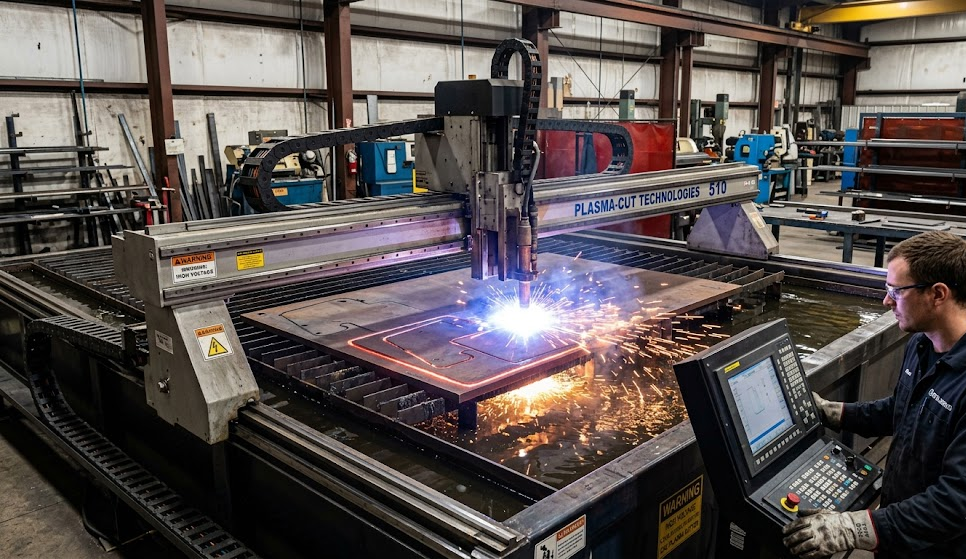
CNC plasma technology has revolutionized metal fabrication, offering unparalleled precision and speed. This cutting-edge method utilizes a mixture of compressed air and ionized gas to create a high-velocity jet, capable of cutting through various metal types with exceptional accuracy. As a result, businesses have leveraged this technology to optimize their production processes, reduce operational costs, and improve product quality.
Adapting to the Automotive Industry
The automotive industry exemplifies the benefits of CNC plasma cutting. Manufacturers have integrated these systems to create custom body panels, intricate components, and other essential elements. This technology allows companies to reduce lead times significantly while meeting the specific needs of their clients.
- Customized lighting brackets for vehicles.
- Efficient production of storage containers.
- Quick turnaround on unique automotive parts.
As the demand for customization rises, the automotive sector is expected to see a marked increase in the utilization of CNC plasma machines, enhancing productivity and quality.
Utilizing Plasma Technology in Aerospace
The aerospace sector demands exceptional precision, which is where CNC plasma cutting technology proves invaluable. Manufacturers utilize this approach for crafting specialized components from high-strength alloys, essential for aircraft durability. The benefits are clear:
- Minimized waste through precise cutting.
- Faster prototyping of complex designs.
- Improved safety through enhanced structural integrity.
By embracing CNC plasma cutters, aerospace companies can maintain rigorous safety standards while increasing efficiency. This adoption is vital for meeting both regulatory requirements and market demands.
Enhancing Shipbuilding Capabilities
The shipbuilding industry is another area where CNC plasma technology shines. Shipbuilders employ these machines to create tailored metal sections and components critical for vessels. From cutting steel sheets to producing intricate designs for ship interiors, plasma technology significantly improves workflow.
- Rapid cutting of large metal plates.
- Efficient creation of hull components.
- Enhanced precision for complex design elements.
This efficiency not only saves time but also reduces costs, enabling shipbuilders to deliver projects more quickly and with higher quality. As global trade evolves, the demand for efficient shipbuilding practices will likely rise.
Advancing Construction Techniques with CNC Plasma
Construction companies are also increasingly adopting CNC plasma technology for various applications. From cutting brackets and base plates to creating fencing and other structural components, this technology is becoming a staple in construction workflows.
- Customization of structural elements for specific projects.
- Significant reduction in material waste.
- Faster project turnaround times.
Whether for large-scale projects or small constructions, CNC plasma cutting by professionals enhances both efficiency and precision, marking a substantial shift in how the construction industry operates.
Transforming HVAC Applications
HVAC companies rely heavily on CNC plasma technology to produce custom ductwork and fittings. This method allows for rapid reproduction of small machine parts crucial for heating, ventilation, and air conditioning systems. Experts in the HVAC sector benefit from the precision and efficiency offered by plasma cutters.
- Creation of specialized duct sizes and configurations.
- Improved accuracy in custom fittings.
- Faster production cycles enabling quicker installations.
As demand for efficient HVAC systems rises, so too will the need for advanced manufacturing techniques like CNC plasma cutting.
Fostering Creativity in Art and Sculpture
Interestingly, CNC plasma cutting also finds its way into the artistic realm, especially in art and sculpture. Metal artists harness this technology to bring their intricate designs to life, making the creative process more streamlined and precise.
- Facilitating complex designs derived from CAD drawings.
- Reducing manual labor and error.
- Enabling the fulfillment of large orders in shorter timelines.
By employing CNC plasma technology, artists balance quality with creativity, transforming metal into stunning pieces of art. This intersection of technology and artistry is enriching both fields.
Increasing Demand in Agricultural Machinery
The agricultural sector also benefits from CNC plasma cutting, particularly in the manufacture of agricultural machinery. Precision is vital for creating durable equipment that withstands the rigors of farming.
- Fabrication of robust agricultural tools.
- Efficient manufacturing of parts for machinery.
- Customization of equipment to enhance farming processes.
As agricultural demands grow, so too will the need for efficient and reliable manufacturing processes, further solidifying the role of CNC plasma technology.
Emphasizing Electrical Enclosures and Industrial Equipment
CNC plasma cutting plays a vital role in producing electrical enclosures and various industrial equipment. The precision of CNC systems guarantees reliable production standards necessary for components that ensure safety and efficiency in industrial operations.
- Creation of custom electrical enclosures for machinery.
- Streamlined production of various equipment parts.
- Enhancement of safety through precise manufacturing.
Understanding the demand for precision in manufacturing highlights the increasing reliance on CNC plasma technology across these industries.