As the retail landscape evolves, staying ahead of the game is crucial for businesses looking to engage their customers effectively. Commercial shopfitting design plays a pivotal role in creating inviting spaces that reflect current trends and consumer preferences. In this article, we’ll explore the latest innovations and creative strategies transforming the future of retail environments.
Sustainable Shopfitting: A Necessity for Modern Retail
The push for sustainability is not merely a trend but a necessity that has taken the retail world by storm. Consumers today are more environmentally conscious than ever, prompting retailers to adopt eco-friendly materials and practices in their shopfitting designs.
Eco-Friendly Materials and Energy Efficiency
Using reclaimed wood, recycled metals, and low-VOC paints helps minimize the environmental footprint of retail spaces while creating an inviting atmosphere. Moreover, the integration of energy-efficient lighting, such as LED installations, reduces operational costs and enhances the store’s ambiance.
Embracing Technology through Shopfitting Innovation
As technology continues to advance, its influence on shopfitting design becomes more prevalent. The integration of digital elements not only modernizes the retail experience but also caters to tech-savvy consumers who expect a seamless shopping journey.
Interactive Displays and Smart Retail Solutions
Interactive displays and digital signage allow retailers to share real-time information about promotions and product offerings, making stores more dynamic and user-friendly. Additionally, implementing mobile payment systems and self-checkout kiosks can significantly enhance the customer experience by streamlining transactions.
Customizable Spaces: Tailoring the Shopping Experience
The trend of customization in shopfitting allows retailers to craft unique environments that resonate with their brand identity. Tailored shopfits create memorable experiences and foster strong connections with consumers by reflecting their values and preferences.
Dynamic Layouts and Fixtures
Utilizing modular shelving and flexible display options enables retailers to rearrange their layouts quickly to accommodate product changes and seasonal promotions. This adaptability ensures that the retail space remains relevant and engaging throughout the year, captivating the ever-evolving preferences of shoppers.
Experience-Centric Designs: Creating Unique Customer Interactions
Today’s consumers seek more than just products; they desire authentic experiences. The rise of experiential retail emphasizes creating spaces that offer engaging and interactive encounters, enhancing customer loyalty and brand affinity.
Immersive Environments and Product Engagement
Designing areas for product testing, workshops, and sensory engagement can transform a simple shopping trip into a memorable outing. For instance, inviting elements like ambient lighting, thematic music, and sampling stations encourage customers to linger, experiencing the brand on a deeper level.
Biophilic Design: Connecting Retail with Nature
Biophilic design is another noteworthy trend in commercial shopfitting. Incorporating natural elements, such as plants, organic materials, and natural lighting, creates a calming atmosphere that resonates with customers and fosters a connection to the environment.
Indoor Gardens and Natural Aesthetics
From vertical gardens to strategically placed windows that allow natural light, these elements not only enhance aesthetics but also contribute to the overall well-being of shoppers. Retailers who prioritize biophilic design appeal to environmentally-conscious consumers seeking spaces that promote wellness.
The Minimalist Approach in Shopfitting Design
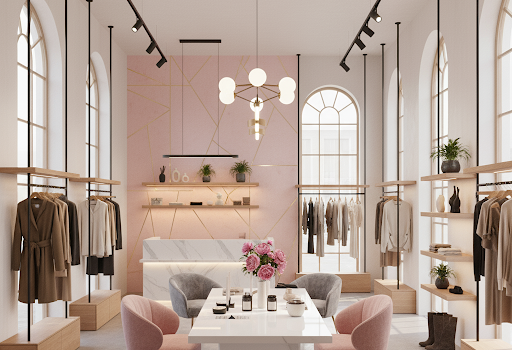
Minimalism remains a significant trend that emphasizes simplicity and clarity in shopfitting designs. Clean lines and neutral color palettes minimize distractions, allowing products to shine and creating serene environments for customers.
Clutter-Free Spaces and Cohesive Aesthetic
A minimalist approach not only enhances the visual appeal of a store but also encourages customers to focus on the products. These clutter-free spaces offer a sense of order, improving the overall shopping experience.
Local Focus and Artisanal Integration
Highlighting local artisans and products in shopfitting design fosters community connection and reinforces brand identity. By integrating cultural elements from the surrounding area, retailers can create a unique shopping experience that resonates with local values and traditions.
Supporting Local Artisans through Design
Promoting local craftsmanship not only supports the community but also delivers authentic narratives that enhance customer engagement. Retailers who incorporate these elements can build loyalty and create a strong identity within the marketplace.
Health and Safety in Retail Spaces
In response to global health concerns, the importance of health and safety considerations in shopfitting design has surged. Retailers must prioritize spacious layouts and hygienic materials to ensure a comfortable shopping environment.
Creating Hygienic and Spacious Environments
Wider aisles, touchless technology, and materials that are easy to clean help create safe environments that foster customer confidence. Customers are more likely to return to stores where they feel secure and valued.
In summary, embracing these trends in commercial shopfitting design is vital for retailers looking to thrive in the modern marketplace. By integrating sustainability, technology, customization, and experience-focused design choices, retailers can not only enhance their brand identity but also forge strong connections with their customers.