
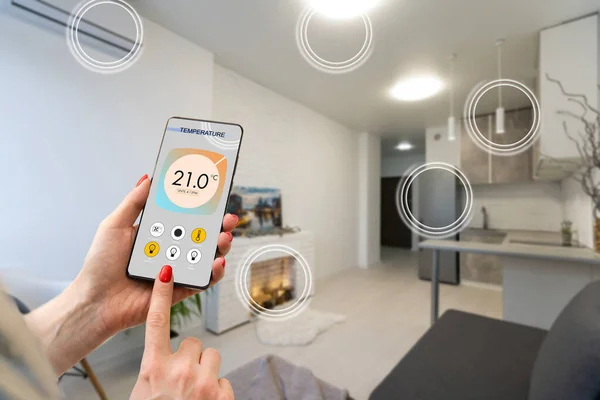
In today’s fast-paced world, managing your home can feel overwhelming. Imagine an app that not only integrates all your devices but also automates daily tasks effortlessly. This transformative tool is essential for modern living, streamlining everything from lighting to security. Join us as we explore the features and benefits of intuitive smart home apps that can elevate your everyday life.
Understanding Smart Home Apps
Smart home apps are designed to unify control over various devices, simplifying management from one platform. Whether you’re using smart lights, thermostats, or security cameras, these applications enable seamless integration. Most importantly, they allow users to automate tasks through customized routines, enhancing convenience.
Key Features to Look For
When choosing a smart home app, consider the following essential features:
- Unified Control: Control devices from multiple brands within a single interface.
- Stable Automation: Create reliable triggers for actions, like turning on lights when motion is detected.
- Security & Privacy: Ensure encrypted communication and local control options.
- Easy Onboarding: Add new devices seamlessly, without complicated setups.
- Frequent Updates: Regular upgrades and new features keep the app relevant.
Top Smart Home Apps for 2026
As we move into a new era, several smart home apps stand out based on their unique strengths.
1. Google Home
Google Home offers broad device support and voice command capabilities. With its integration of Gemini AI, it can execute complex routines effortlessly. However, its reliance on cloud functionality can lead to actions being paused during outages.
2. Apple Home (Home App)
This app emphasizes privacy and security, working seamlessly within the Apple ecosystem. While it’s powerful for those with compatible devices, its limitations can frustrate users outside the Apple network.
3. Samsung SmartThings
SmartThings shines with its strong automation features and support for multiple brands. Users appreciate its polished interface, though complex setups can sometimes feel buried in menus.
4. Home Assistant
For power users, Home Assistant provides ultimate customization and local control. Though it requires technical expertise, the flexibility and community support are invaluable.
5. Amazon Alexa App
With a large ecosystem and endless skills, Alexa continues to be a popular choice. Voice commands paired with visual routines enhance its usability, yet some skills can be unreliable.
Automation Made Simple
One of the primary advantages of smart home apps is their automation capabilities. Take, for instance, a morning routine that starts with motion sensors detecting movement.
- At 6:30 AM, soft lights gradually turn on in the bedroom.
- A smart thermostat adjusts the temperature, preparing the home for the day.
- The coffee machine brews a fresh pot, ready for when you wake.
- Your favorite news briefing plays through the smart speaker.
This kind of integrated scenario is not just convenient; it’s a testament to how smart home technology enhances daily life.
Choosing the Right App for You
Evaluating smart home apps requires consideration of your specific needs. Here are some guiding questions:
- What devices do you currently own, and are they compatible with the app?
- Do you prioritize local (offline) control over cloud dependency?
- What level of technical involvement are you comfortable with?
- How important is privacy and data security to you?
Assessing these dimensions can help you select the app that best suits your lifestyle and preferences.