Welding is a critical process in metal fabrication, but even the most skilled welders can encounter challenges along the way. In this article, we will explore common welding defects that can compromise your projects and share effective strategies to prevent them. Let’s dive into the intricacies of ensuring quality in your welds!
Understanding Welding Defects
Welding defects can be defined as imperfections that occur during the joining process and compromise the weld’s performance, aesthetics, or durability. These flaws are classified into two primary categories: weld defects, which jeopardize the weldment’s integrity, and weld discontinuities, which are irregularities that do not materially affect performance but indicate a departure from ideal quality.
Identifying Common Welding Defects
Understanding the different varieties of weld defects helps in preventing them. Below are some of the most prevalent issues encountered during welding, along with their root causes.
1. Weld Cracks
Weld cracks represent one of the most severe defects that can occur, often leading to catastrophic failures. These cracks can manifest during solidification or even after the welding process. The causes include inadequate pre-heating, high carbon content in the base metal, or excessive cooling rates.
2. Porosity
Porosity is characterized by the presence of gas pockets within the weld material. The entrapment of air or other gases occurs during the solidification phase, resulting in a sponge-like appearance. Improper cleaning of surfaces and incorrect shielding gas settings can precipitate this defect.
3. Undercut
This defect occurs when the base metal is melted away, causing a groove along the weld line. High arc voltage and incorrect travel speeds commonly lead to undercut formation. Failing to ensure correct electrode angles can also contribute to this issue.
Preventive Measures for Common Welding Defects
The key to achieving superior weld quality lies in the implementation of best practices throughout the welding process. Below are essential strategies aimed at reducing the likelihood of defects.
1. Enhancing Pre-Weld Preparation
Prior to beginning the welding process, preparing the materials is a vital step. This includes thorough cleaning to eliminate any grease, rust, or contaminants that could interfere with the weld. Additionally, preheating the base metal helps to minimize the risk of cracks and ensures optimal fusion.
2. Selecting Appropriate Materials and Techniques
Using suitable filler materials that are compatible with the base metals, along with selecting the correct welding technique, can dramatically reduce defect rates. Utilizing the right electrode size and type, and tweaking the welding parameters according to the material thickness are essential practices for effective welding.
3. Controlling Welding Speed and Temperature
Paying attention to travel speed and heat input is crucial. Operating at an optimal speed ensures adequate penetration while preventing excessive heat that could lead to burn-through or distortion. Maintaining consistent heat across the joint is paramount to avoid creating unexpected stresses.
Advanced Detection of Welding Flaws
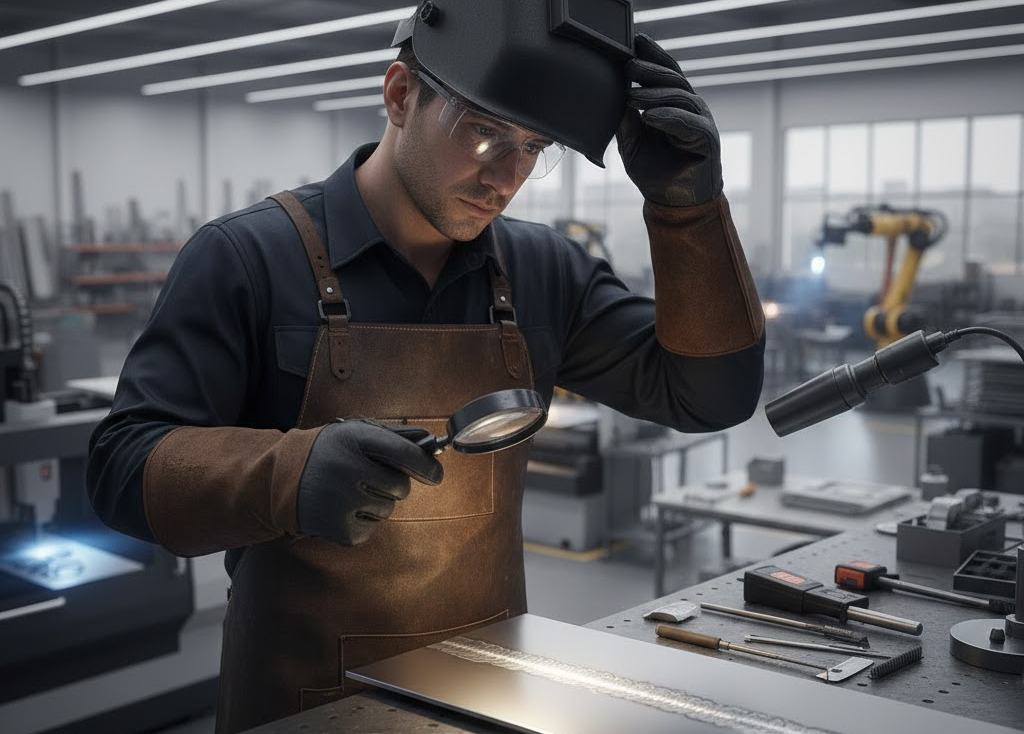
Identifying invisible defects requires advanced testing techniques. Non-destructive testing (NDT) methods such as Ultrasonic Testing (UT), Radiography, and Magnetic Particle Inspection (MPI) allow for the assessment of weld integrity without sacrificing the component. Regular inspections using these methods can pinpoint issues early in the production process.
Attaining high-quality welds involves a delicate balance of technique, preparation, and inspection. Understanding the landscape of common welding defects allows welders to not just react to problems but to proactively mitigate them. Adopting rigorous standards and practices isn’t merely about following procedures; it’s about cultivating a culture of excellence in welding.
Understanding and preventing welding defects is essential for ensuring the quality and longevity of your projects. By being aware of common issues and implementing the right practices, you can significantly reduce the risk of costly failures. For expert assistance, consider reaching out to a welding professional to enhance your fabrication efforts.