
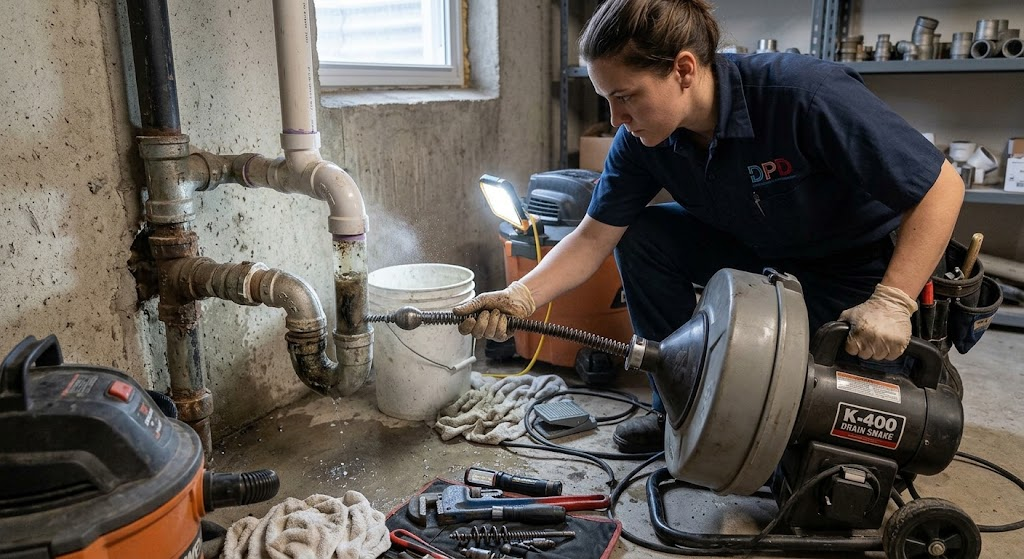
Stubborn drain blockages rarely disappear with a quick rinse. Grease, hair, soap residue, food scraps, mineral deposits, and intrusive tree roots can accumulate inside pipes until water drains slowly or stops completely. Choosing the right drain cleaning equipment makes it easier to remove the obstruction, protect the plumbing, and reduce the risk of recurring problems. For homeowners and professionals alike, the key is matching the tool to the blockage rather than applying more force than necessary.
Start With the Right Diagnosis
Before using equipment, identify the likely location and cause of the blockage. A single slow sink may have a clog in its trap or nearby branch line. Several affected fixtures, gurgling sounds, or wastewater backing up in a lower drain can indicate a deeper obstruction in the main line.
A plunger or hand auger may be sufficient for a minor, nearby clog. Persistent problems, repeated backups, or blockages affecting multiple drains may require a more powerful machine or a professional inspection. If you are unsure whether the issue involves a damaged pipe, stop and seek expert help. Correct diagnosis helps avoid wasted effort and accidental damage.
Common Equipment for Tough Clogs
Different tools work in different ways. Understanding their strengths can help you choose safely and efficiently:
- Plungers: Create pressure and suction to dislodge soft clogs near a fixture. A cup plunger suits sinks and tubs, while a flange plunger is designed for toilets.
- Hand drain augers: Use a flexible cable and crank to reach clogs beyond the drain opening. They are useful for hair, paper, and other localized obstructions.
- Powered drain snakes: Feed a rotating cable into the pipe to break through or retrieve tougher blockages. They are commonly used for longer or more difficult lines.
- Drain inspection cameras: Travel through pipes and transmit images to help locate the clog, roots, cracks, or other damage before cleaning begins.
- Hydro-jetters: Send high-pressure water through a pipe to remove grease, sludge, and buildup from the pipe walls. They are powerful tools that require suitable pipe conditions and careful operation.
- Wet/dry vacuums: When configured appropriately, may help remove standing water or loose debris around a drain, but are not a substitute for a drain auger or jetter.
Choosing Between a Snake and a Hydro-Jetter
A drain snake is often the practical first choice for a stubborn blockage. Its cable can break through a clog or bring material back toward the drain. Different cable heads are designed for different tasks: a cutting head may help with roots, while a retrieval head can catch hair or debris. Select a machine and cable suited to the pipe size and clog location.
A hydro-jetter is designed to scour pipe interiors with controlled water pressure. It can be especially effective against greasy deposits and accumulated residue that a cable might only punch through. However, high pressure can worsen problems in fragile, corroded, or damaged pipes. A camera inspection can help determine whether jetting is appropriate, especially in older plumbing or when blockages keep returning.
Neither tool is automatically the best option for every drain. The material inside the pipe, its condition, and the clog’s location should guide the decision.
Safe and Effective Operation
Powerful equipment can cause injuries or damage when used incorrectly. Read the manufacturer’s instructions, wear eye protection and sturdy gloves, and keep loose clothing, hair, and hands away from rotating cables. Do not force a cable through resistance; doing so can kink the cable, damage the pipe, or cause the machine to react suddenly.
Avoid using mechanical equipment immediately after applying chemical drain cleaners. Splashing chemicals can cause severe burns, and some products may react dangerously with other substances. Keep the work area clear, use equipment only as intended, and stop if the cable binds, the machine vibrates unusually, or the drain shows signs of structural damage.
Professional equipment requires proper training. If a blockage resists repeated attempts, affects several fixtures, or returns soon after cleaning, a licensed plumber can investigate the cause and recommend an appropriate solution.
Preventing Future Blockages
Clearing a drain is only part of the solution. Simple habits can help prevent another buildup:
- Use drain screens to catch hair and food particles.
- Dispose of cooking grease in the trash rather than pouring it down the sink.
- Flush kitchen drains with plenty of water after use.
- Avoid putting wipes, cotton products, or hygiene items in the toilet.
- Arrange an inspection if roots, recurring backups, or pipe damage are suspected.
The best drain cleaning equipment is the tool that clears the obstruction without compromising the pipe. A plunger or hand auger can handle many small clogs, while powered snakes and hydro-jetters address more demanding jobs when used appropriately. Careful diagnosis, safe operation, and preventive maintenance help restore reliable drainage—and reduce the chance of facing the same stubborn blockage again.

