
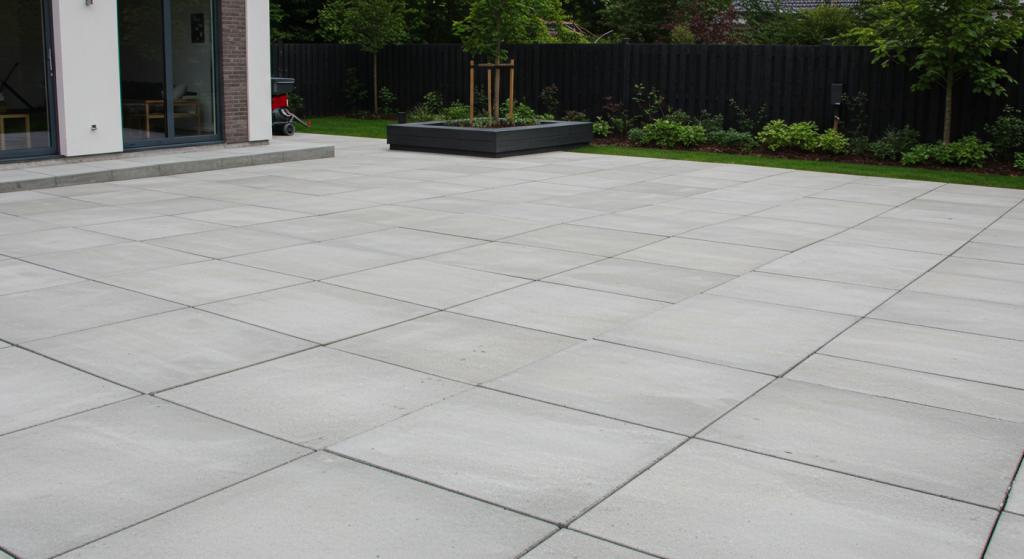
Concrete slabs are fundamental elements in the construction industry, serving as a backbone for buildings and structures. They are flat, horizontal surfaces made predominantly of reinforced concrete and are utilized in a myriad of applications. This article delves into the diverse functionalities of concrete slabs, shedding light on their significance in modern construction.
Understanding Concrete Slabs
Before exploring their different uses, it’s essential to grasp what a concrete slab is. Generally speaking, a slab is a structural element that supports various loads and forms the base for floors, ceilings, and roofs. Their design can vary based on the specific needs of a project, enabling them to support substantial weight while maintaining durability.
Flooring Solutions: Residential and Commercial
Concrete Slabs for Homes
In residential construction, concrete slabs serve as foundational flooring. One-way and two-way slabs are prime choices for domestic buildings, providing robust support for kitchen and living room areas. Their flat surfaces offer an ideal foundation for various flooring materials, ranging from tiles to carpets. Moreover, using concrete slabs can enhance energy efficiency, as they offer excellent thermal mass, helping regulate indoor temperatures.
Concrete in Commercial Spaces
Commercial buildings often require substantial floor areas to accommodate heavy machinery and foot traffic. Here, hollow core slabs come into play. These precast elements feature hollow spaces that reduce weight while maintaining strength, making them suitable for large-scale commercial projects like warehouses and shopping centers. Their ease of installation and structural integrity make them a popular choice among builders.
Structural Applications: Beams and Columns
The Role of Slabs in Load Distribution
Concrete slabs’ capability to distribute weight is vital in structural applications. For instance, flat slabs and flat plate slabs are often used in frame structures. They lack beams, enabling a sleeker design while providing a strong, even surface that efficiently transfers loads to columns. This characteristic is exceptionally beneficial in buildings where open spaces are essential, allowing for flexible room configurations.
Supporting Infrastructure
In addition to overhead supports, concrete slabs are widely used in infrastructure projects. For instance, bridges often utilize slab designs for their decks, providing a robust surface capable of withstanding vehicular loads. On a smaller scale, sidewalks and driveways also benefit from the durability and longevity of concrete slabs, offering practical and attractive options for outdoor spaces.
Innovative Types of Concrete Slabs
Construction professionals are continually seeking ways to improve efficiency and reduce material usage. Innovative slab designs are at the forefront of this movement.
Bubble Deck Slabs
These slabs incorporate hollow plastic balls, effectively creating voids that minimize the amount of concrete required. This design not only reduces weight but also results in cost savings during construction. The voids can also accommodate electrical and plumbing conduits, enhancing the slab’s functionality while streamlining installations.
Composite Slabs
Another noteworthy innovation is the composite slab, which combines the strengths of different materials—typically a steel deck with a concrete topping. This approach creates a robust structure that maximizes the benefits of both components, offering designers versatility when planning their projects. Composite slabs are often seen in modern commercial buildings where aesthetics and structural integrity are equally important.
Unique Architectural Features
Dome and Specialty Slabs
Concrete slabs can also be crafted into unique shapes for specific architectural features. Dome slabs are commonly employed in religious structures and cultural buildings, where an aesthetic appeal is paramount. Utilizing concrete to create these ornate designs allows architects to convey grandeur while ensuring stability.
Custom Solutions for Outdoor Spaces
For homeowners looking to enhance their outdoor areas, concrete slabs provide an excellent base for patios or decks. They can be customized to fit any design, and whether one chooses a sleek finish or incorporates decorative elements, these slabs stand as a durable option for outdoor living. You can find more ideas on designing your outdoor space in our articles about outdoor design ideas and creating beautiful patios.
From foundational support to decorative elements, concrete slabs embody versatility in construction. Understanding the different types and their applications can greatly enhance your project’s success, whether residential or commercial. Dive deeper into the possibilities of concrete slabs and broaden your construction knowledge.


