
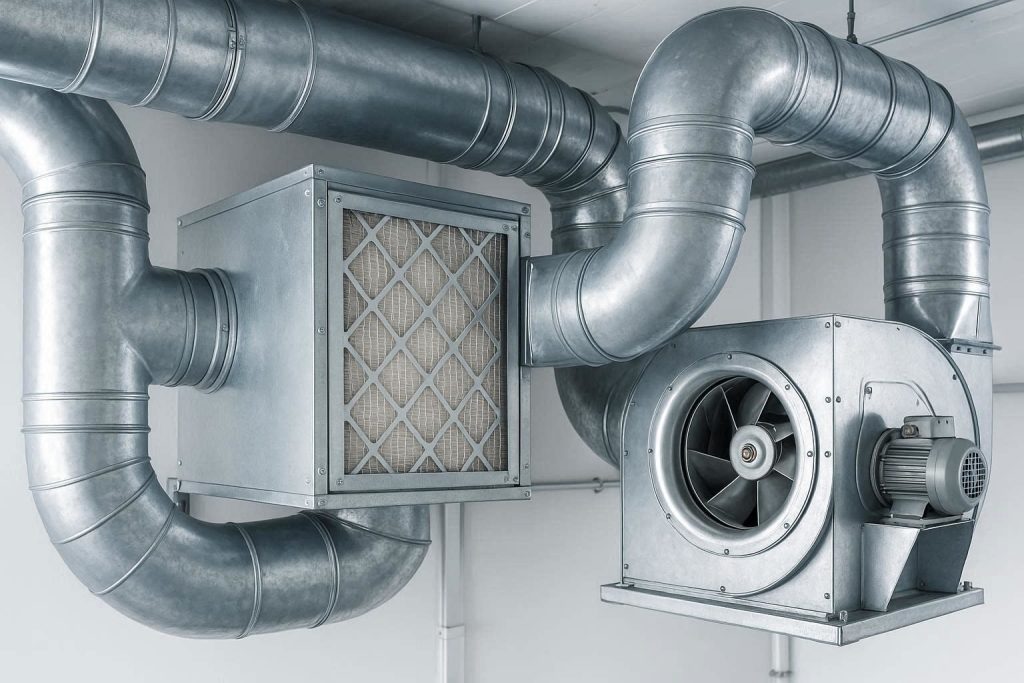
In the world of photography, the darkroom is a sanctuary where creativity comes to life. However, many enthusiasts overlook the crucial aspect of ventilation, which can lead to serious health risks. Join us as we delve into the dangers of neglected darkroom ventilation and explore how to create a safe and enjoyable working environment.
Why Ventilation Is Crucial in a Darkroom
The darkroom often employs a variety of chemicals for developing, stopping, and fixing photographs. While many photographers assume these materials are safe in small quantities, the truth is that neglecting adequate air circulation can lead to hazardous conditions over time.
Health Impacts of Chemical Exposure
Many darkroom chemicals, including developers, stop baths, and fixers, can release fumes that irritate the respiratory system. Symptoms can range from headaches and dizziness to more severe complications if exposure is prolonged. For instance, metol, commonly found in traditional developers, is known to cause dermatitis in sensitive individuals.
Common Risks from Poor Ventilation
Without sufficient ventilation, the air indoors can quickly become saturated with these harmful vapors. Some of the specific risks include:
- Respiratory Issues: Chronic exposure could lead to long-term respiratory conditions.
- Neurological Effects: Some chemicals may have neurotoxic effects when inhaled frequently.
- Dermatological Reactions: Prolonged skin contact or inhalation can lead to allergic reactions.
Best Practices for Darkroom Ventilation
Maintaining a safe working environment is possible with some simple practices. Here are effective strategies to ensure proper ventilation:
Utilize Exhaust Fans
Installing a dedicated exhaust fan can greatly improve air quality. This fan should be placed near the working area to efficiently remove fumes as they rise. Coupled with a well-placed intake vent, it creates a manageable airflow that minimizes the concentration of airborne chemicals.
Regularly Open Windows
If applicable, opening windows during sessions can encourage fresh air circulation. However, be mindful of light exposure since this can ruin photographs. Consider window screens or drapes to manage light levels while allowing ventilation.
Keep the Space Organized
Maintaining an orderly darkroom means having fewer items that can trap fumes. Store chemicals in tightly sealed containers and minimize the amount of open trays in use at any given time. Covering trays can also reduce odors.
Choosing Safer Chemicals
When selecting photographic materials, consider opting for products with lower toxicity. Many manufacturers offer alternatives that come with reduced health risks. For instance, using odorless developers and fixers can significantly lessen the level of harmful fumes.
The Importance of Material Safety Data Sheets (MSDS)
Every photographer should acquaint themselves with the Material Safety Data Sheets (MSDS) for their chemicals. These documents outline the potential hazards and necessary precautions associated with each substance. Understanding the risks allows photographers to take informed actions to safeguard their health.
Recognizing Symptoms of Chemical Exposure
As always, understanding the symptoms of chemical exposure is an integral part of maintaining a safe darkroom environment. Watch out for:
- Headaches: A common early symptom of poor air quality.
- Fatigue: Excessive tiredness can indicate prolonged exposure.
- Skin Irritation: Rashes or burning sensations may arise from direct chemical contact.
Taking Action
If any of these symptoms manifest during sessions, it’s crucial to step outside for fresh air and reassess your darkroom setup. Making small adjustments can lead to significant improvements in air quality and overall health.
Conclusion: Prioritize Your Health
The art of photography is a beautiful endeavor, yet it should never come at the expense of your health. By understanding the risks associated with neglected ventilation and taking proactive measures, you ensure that your passion remains a safe and enjoyable experience. Choose wisely, and remember: a well-ventilated darkroom is a happy darkroom.
For tailored advice, consulting a darkroom expert can provide invaluable insights into optimizing your space for safety and comfort.


