
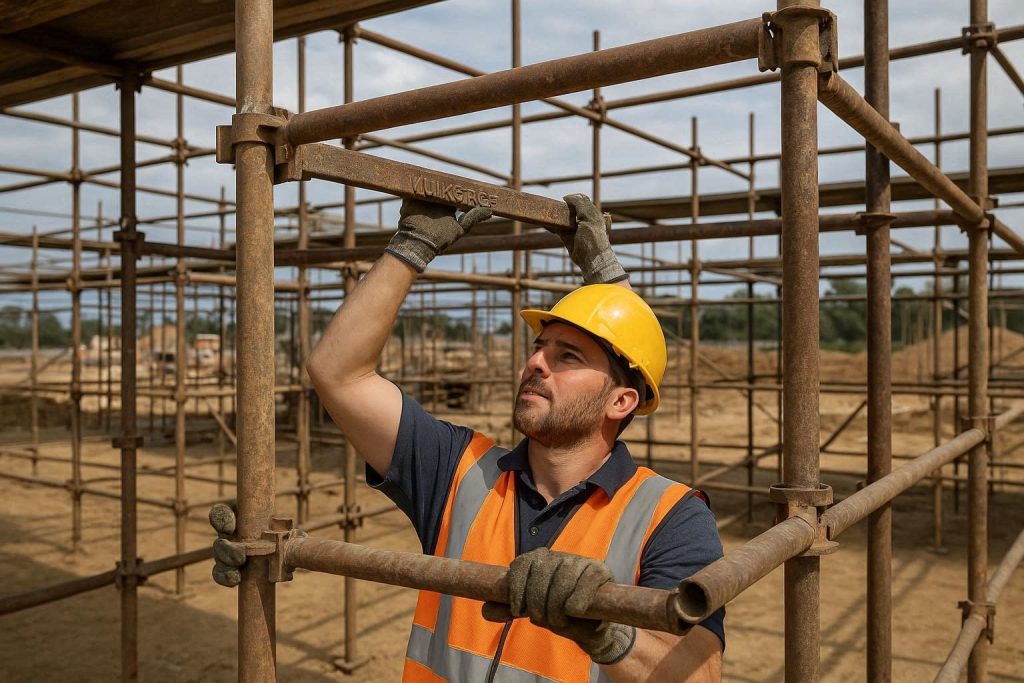
When it comes to construction, ensuring the safety of your team is paramount, especially when erecting Kwikstage scaffolding. This article dives into essential tips and best practices that will help you create a secure and stable work environment, allowing your project to progress smoothly while prioritizing the well-being of all workers on site.
The Importance of Safety in Scaffolding
Accidents related to scaffolding are far too common in the construction industry. They can lead to severe injuries, lost workdays, and even fatalities. Every year, scaffolding-related incidents account for over 4,500 injuries. As a result, prioritizing safety measures is not only a legal requirement but also a moral obligation to protect your workforce.
Understand Load Limits and Regulations
Before starting any project, it’s vital to be aware of the load limits of the Kwikstage scaffolding system. Each component has specific capacities designed to withstand certain weights. Overloading these systems can lead to serious structural failures. Additionally, familiarize yourself with relevant regulations. Always ensure compliance with these standards to avoid penalties and to maintain a safe working environment.
Planning and Preparation
Conduct a Thorough Site Assessment
A comprehensive site assessment is crucial before scaffold erection begins. Examine the ground conditions to determine suitable settings for the scaffold. The foundation must be stable and level to support the weight of the structure and the workers who will be using it. Soft or unstable surfaces may need additional reinforcement, such as mud sills or base plates, to ensure proper weight distribution.
Choose the Right Equipment
Selecting the appropriate Kwikstage components is also essential. Utilize high-quality materials and ensure that all components are in good condition, free from any damage such as cracks or corrosion. Regular inspections before assembly can prevent equipment failures and enhance safety on site.
Erecting the Kwikstage Scaffolding
Follow Manufacturer’s Guidelines
Adhering strictly to the manufacturer’s assembly instructions is indispensable when erecting scaffolding. Each Kwikstage system may have unique requirements, including specific methods for connecting components and space configurations. Ensure that all workers involved in the assembly process are trained and competent in these practices.
Secure the Structure Properly
Stability is key in scaffolding setups. Use level tools to ensure that vertical standards are perfectly plumb before securing them. Attach horizontal ledgers and install appropriate cross braces to provide added structural integrity. Don’t forget to install guardrails on all open sides to prevent falls from height.
Implementing Safety Measures During Use
Adopt Personal Protective Equipment (PPE)
Equipping workers with personal protective equipment is essential. Hard hats, gloves, and non-slip footwear should be mandatory while working on scaffolds. Additionally, fall protection harnesses are critical for ensuring safety at heights. This equipment can significantly mitigate risks and protect against accidental falls.
Routine Inspections
Even after assembly, ongoing inspections are crucial for maintaining a safe scaffold. Conduct daily checks before work begins to identify any potential hazards. Regularly looking for structural integrity issues, debris accumulation, or any signs of wear can help protect workers from accidents.
Safe Dismantling Practices
Plan Dismantling Carefully
When the project is completed, dismantling the scaffolding requires as much attention as erecting it. Follow procedures in reverse order of assembly, and ensure that untrained personnel are not attempting to break down the structure. Remove debris from platforms and keep the area tidy to avoid unnecessary risks during this process.
Leverage Scaffolding Tags
Using scaffolding safety tags can be beneficial in identifying the status of the scaffold. Tags color-coded as green, yellow, or red can communicate whether a scaffold is safe for use, under modification, or deemed unsafe, respectively. This visual system supports informed decision-making for all personnel on site.
Fostering a Culture of Safety
Finally, fostering a culture of safety begins with education and training. Regular safety meetings and ongoing training for all personnel can greatly enhance awareness about potential risks associated with working on scaffolds. Encourage workers to communicate their concerns and report unsafe conditions without hesitation.
Implementing these safety tips when erecting Kwikstage scaffolding is essential for ensuring the well-being of all workers on site. If you’re unsure about the correct procedures, it’s wise to consult an expert scaffolding professional to ensure compliance with safety standards and prevent accidents.


