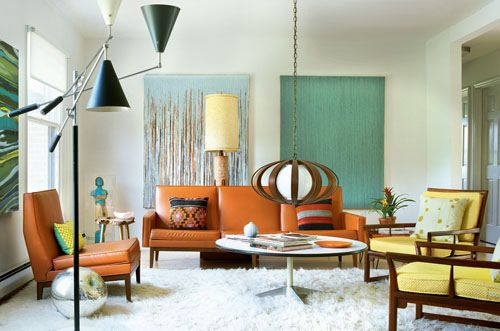

When it comes to creating a beautiful and durable interior, choosing the right fabrics for upholstery is essential. With so many options available, it can be overwhelming to decide which materials will withstand the test of time while also enhancing your decor. This guide will help you navigate the selection process and ensure your upholstery remains both stunning and resilient.
The Importance of Choosing the Right Fabric
When it comes to upholstery, selecting the right fabric is crucial for both practicality and style. The fabric you choose can affect not only the look of your furniture but also its durability and maintenance. Understanding the various types of fabrics available can elevate your design and prevent unnecessary costs in the long run. Let’s delve into the factors that contribute to choosing the ideal upholstery fabric.
Durability: A Key Factor in Fabric Selection
One of the first considerations should always be durability. Look for fabrics that are rated for heavy use, particularly if your upholstery will experience a lot of traffic. Common durable fabrics include:
1. Microfiber
Offering both comfort and stain resistance, microfiber is a popular choice. Its tightly woven structure makes it difficult for dirt and spills to penetrate, thus keeping your furniture looking fresh for years.
2. Leather
Classic and timeless, leather exudes sophistication while being incredibly durable. Proper care can ensure that your leather upholstery ages beautifully, developing a unique patina.
Understanding Fabric Composition
The composition of the fabric plays a significant role in its performance. Fabrics are typically made from natural or synthetic fibers. Each offers distinct advantages:
1. Natural Fibers
Cotton, wool, and linen are examples of natural fibers known for their comfort and breathability. However, they may require more maintenance to retain their appearance over time.
2. Synthetic Fibers
Offering resilience and ease of cleaning, polyester and nylon are often used in upholstery. They can mimic the look of natural fibers while being more resistant to fading and wear.
Choosing Colors and Patterns Wisely
While durability and composition are essential, the color and pattern of your upholstery fabric can set the tone for your entire space. Opt for colors that complement your existing decor while ensuring that they can withstand the test of time. Here are some ideas for making the right choice:
1. Neutral Tones
Neutral colors are versatile and can easily adapt to changing trends. Fabrics in beige, gray, or taupe can provide a sophisticated backdrop for brighter accent pieces.
2. Patterns
If you’re considering patterns, take care to balance them with solid colors in your surroundings. Classic patterns like stripes and florals can be visually appealing while ensuring that they don’t overwhelm a space.
Maintenance and Cleaning Considerations
Once you’ve chosen your fabric, it’s crucial to consider how you’ll maintain it. Some fabrics demand regular care, whereas others are more forgiving:
1. Low Maintenance Fabrics
If you want a hassle-free option, look for fabrics that are stain-resistant and easy to clean. Many synthetic fibers come with treatments that repel spills and stains.
2. High Maintenance Fabrics
On the other end of the spectrum, fabrics like silk or very light cotton will require more attention. Regular professional cleaning may be necessary to keep them pristine, making them less practical for high-traffic areas.
Eco-Friendly Fabric Options
As eco-consciousness grows, many are searching for sustainable upholstery options. Fabrics made from organic materials or recycled content not only look great but also contribute to a healthier planet. Consider exploring hemp or textiles labeled, which ensures that the fabric is free from harmful substances.
Choosing the right fabrics is crucial for ensuring that your upholstery remains beautiful and durable over time. By considering factors such as durability, maintenance, and style, you can make informed decisions that enhance both the functionality and aesthetics of your space. For expert advice tailored to your specific needs, consult an upholstery professional who can guide you through the selection process.