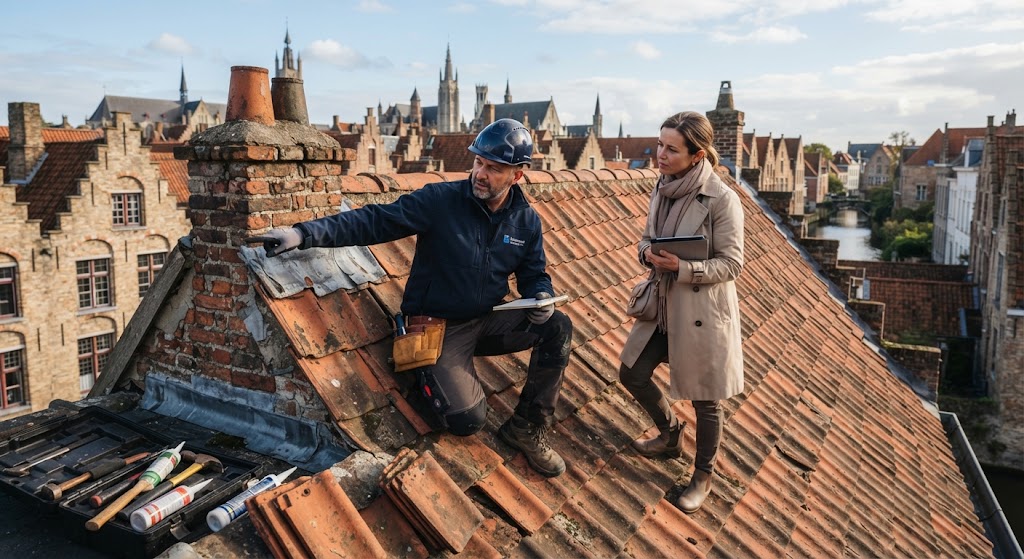
Choosing the right roofing professional is essential when your home needs repairs, whether the problem involves a persistent leak, storm damage or deteriorating materials. A suitable contractor should have the relevant qualifications, appropriate insurance and the experience to work safely with your particular roofing system.
1. Check Licensing and Insurance Requirements
Roofing regulations vary between Australian states and territories. Before engaging a contractor, confirm which licences, registrations and insurance arrangements apply to the proposed work in your location.
Regulatory compliance helps establish whether a contractor is authorised to perform the relevant work.
Ask for evidence of applicable credentials and insurance, including public liability cover where appropriate. Depending on the project, additional requirements may apply to structural work or other specialised activities.
2. Look for Relevant Roofing Experience
Not every roofing professional specialises in the same materials or repair techniques. A contractor experienced in concrete tiles may not have the same expertise in complex metal roofing systems.
Relevant experience means familiarity with the roof type, common defects and appropriate repair methods.
Before proceeding, ask whether the contractor regularly handles work involving:
- Tile replacement and ridge capping.
- Metal roof leaks and corrosion.
- Flashing around skylights and chimneys.
- Storm damage and displaced roofing materials.
- Gutter and drainage-related roof problems.
This helps you assess whether the professional is suited to your particular repair needs.
3. Request a Clear Written Quote
A detailed quote should explain the proposed work, expected costs and any important exclusions.
Cost transparency makes it easier to compare contractors without relying on the headline price alone.
Depending on the job, the quote may include labour, materials, access equipment, waste removal and any necessary additional inspections. Ask how unexpected damage will be handled if it becomes apparent after work begins.
Be cautious of vague estimates that do not explain what the contractor intends to repair.
4. Assess Communication and Professionalism
Reliable communication is important throughout a roofing project, particularly when repairs involve multiple stages or uncertain underlying damage.
Written documentation helps clarify expectations and provides a record of agreed work.
A professional should explain the identified problem, outline suitable repair options and answer reasonable questions without making unrealistic promises.
Check references or independent reviews where available, paying attention to feedback about workmanship, punctuality, safety and how complaints are handled.
5. Understand Warranties and Repair Limitations
Roofing warranties can cover different aspects of a project, including workmanship or specific materials. Their terms and exclusions vary, so they should be reviewed before the contract is accepted.
Warranty conditions should clearly identify what is covered, how long the coverage lasts and what could invalidate it.
Ask how the contractor will document completed work and whether maintenance obligations apply. A warranty should not be treated as a guarantee against every future leak, particularly if unrelated defects develop.
6. Make an Informed Decision
The lowest quote is not necessarily the best value. An appropriate contractor combines relevant experience, clear communication, safe work practices and a repair plan suited to the roof’s condition.
Professional accountability includes explaining the work, documenting agreed changes and addressing legitimate concerns.
Taking time to evaluate roofing contractors helps reduce the risk of unsuitable repairs and recurring problems. A well-qualified professional can protect your property while providing a clearer understanding of the work required to restore your roof.