
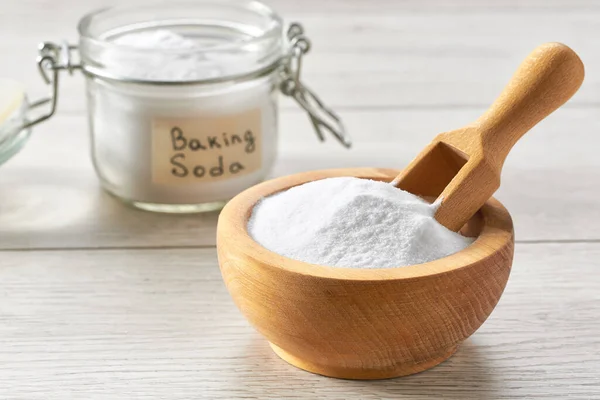
Baking soda, or sodium bicarbonate, is a ubiquitous ingredient known for its versatility in various applications, from baking to cleaning and beyond. However, not all baking soda is created equal. In 2026, as the demand for specific applications rises, understanding the distinctions between food-grade, technical, and cosmetic baking soda becomes crucial. This article delves into the characteristics and uses of each type, helping you to choose the right product for your needs.
Understanding Baking Soda Grades and Their Applications
Sodium bicarbonate is categorized into three main grades: food-grade, technical, and cosmetic. These classifications primarily relate to purity, particle size, and intended use.
Food-Grade Baking Soda
Food-grade baking soda is the most well-known type, primarily used in culinary applications. It is highly purified, typically containing at least 99% sodium bicarbonate and is approved for human consumption by health authorities such as the FDA. It serves as a leavening agent, helping baked goods rise and achieve a light texture.
- Common Uses: Baking, cooking, and as a digestive aid.
- Purity Requirement: Must meet strict safety standards.
- Examples: Naan bread, cookies, and as a toothpaste ingredient.
Technical Baking Soda
Technical baking soda, often referred to as industrial-grade, is primarily utilized in industrial applications. Its purity is lower than food-grade, making it suitable for various manufacturing processes but not for direct human consumption.
- Common Uses: Water treatment, chemical manufacturing, and agriculture.
- Purity Requirement: Typically 95% sodium bicarbonate, suitable for industrial processes.
- Examples: Buffers in swimming pools and as a pH adjuster in soil.
Cosmetic Baking Soda: A Gentle Alternative
Cosmetic baking soda is designed for skin care and personal hygiene products. This grade focuses on the cosmetic purity of the product, ensuring that it is free from harmful additives and suitable for topical use.
- Common Uses: Exfoliants, deodorants, and facial scrubs.
- Purity Requirement: Similar purity standards as food-grade, ensuring safety for skin application.
- Examples: Homemade scrubs and deodorizing products.
Choosing the Right Baking Soda for Your Needs
Understanding the differences between these baking soda grades can lead to more effective use based on your specific requirements. For baking, choose food-grade to ensure safety and effectiveness. For industrial needs, technical baking soda is more suitable due to its lower purity but useful applications. If you’re formulating cosmetics, opt for cosmetic baking soda to ensure gentle, safe products.
| Type | Purity Level | Common Uses |
|---|---|---|
| Food-Grade | ≥99% | Baking, Cooking, and Digestion |
| Technical | ~95% | Industrial Applications, Water Treatment |
| Cosmetic | ≥99% | Skincare, Exfoliation |
Conclusion
In summary, while baking soda may seem straightforward, its various grades — food, technical, and cosmetic — serve distinct purposes across multiple industries. Being aware of these differences can help you select the most suitable type for your specific needs, whether cooking, industrial use, or skincare.

