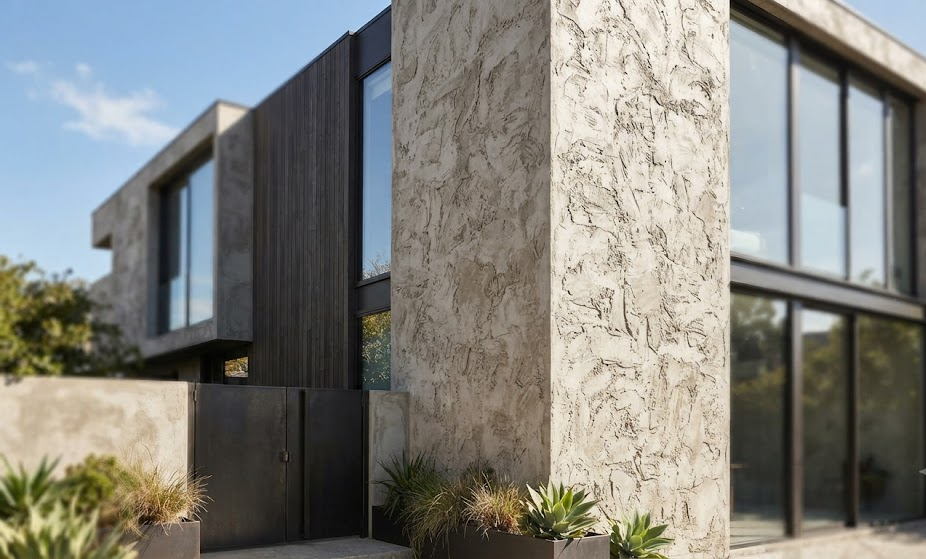
Textured cement rendering is revolutionizing the way we perceive building facades. This innovative technique infuses architectural designs with a fresh, modern aesthetic while enhancing durability and protection against the elements. As urban landscapes evolve, understanding various rendering options can inspire unique facades that stand out in a dynamic environment.
Exploring Textured Cement Rendering Techniques
Textured cement rendering offers a multitude of styles and finishes that can dramatically alter the appearance of any building. Each technique carries its unique charm and benefits.
Understanding the Basics of Rendering
Exterior rendering involves applying a layer of cement paste to walls, resulting in a variety of textures and visual effects. This method not only enhances aesthetics but also extends the life of the structure.
Choosing the Right Type of Render Finish
The success of a rendering project largely hinges on selecting the appropriate material. Here are some popular choices to consider:
- Lime Render: Ideal for older buildings, this breathable material adjusts to temperature changes, preventing damage.
- Cement Render: Known for its durability and ease of application, it provides robust protection against water damage.
- Acrylic Render: This quick-setting option offers various aggregate sizes, allowing for both smooth and coarse textures.
- Monocouche Render: A single-layer system, perfect for new constructions, that simplifies the application process.
- Polymer Render: Particularly well-suited for wooden or brick substrates, promoting breathability.
Emphasizing Aesthetic Appeal
Texture plays a vital role in elevating a building’s facade from mundane to extraordinary. By strategically incorporating texture, architects can create depth and interest.
Creating Visual Interest with Patterns
Incorporating patterns into cement rendering adds a unique flair. Techniques can range from simple grooves to complex designs, providing a palette for creativity:
- Linear Grooves: Simple grooves running vertically or horizontally can give a sleek, modern look.
- Stucco Finishes: These offer a more rustic, charming appearance, reminiscent of Mediterranean architecture.
- Custom Molds: Utilizing custom molds can create intricate textures, enhancing the building’s personality.
Enhancing Durability and Performance
Quality rendering not only beautifies but also fortifies structures against weather-related wear and tear. Understanding these benefits is paramount.
Benefits of Quality Rendering
A proficiently executed rendering process can yield various long-lasting advantages:
- Weather Resistance: It acts as a protective layer against rain and wind, reducing moisture infiltration.
- Aesthetic Enhancement: A fresh coat can transform old, unattractive surfaces into modern masterpieces.
- Increased Property Value: Curb appeal is significantly enhanced, making rendered properties more attractive to potential buyers.
Practical Tips for Successful Rendering
Achieving impeccable results in cement rendering requires careful planning and execution. Here are essential tips for success:
Key Considerations
Before commencing the rendering job, it’s vital to keep the following in mind:
- Weather Conditions: Ideal rendering takes place on mild, dry days; avoid extreme temperatures that can cause cracking.
- Surface Preparation: Proper cleaning and priming of the surface ensure better adhesion of the render.
- Mix Components Carefully: Use room-temperature water to achieve the right consistency, enhancing workability.
Exploring Innovative Systems: StoVentec Render Rainscreen
Among modern approaches, StoVentec Render Rainscreen systems exemplify innovation in facade aesthetics and functionality. These systems integrate advanced components to yield superior results.
Benefits of StoVentec Systems
Adopting the StoVentec method offers numerous advantages:
- Integrated Performance: This system features air, moisture barriers, and insulation to enhance energy efficiency.
- Aesthetic Options: Available in a broad range of textures and finishes, allowing for personalized designs.
- Straightforward Installation: Simplified processes ensure a quicker, more efficient setup, saving time.
Future Trends in Cement Rendering
As technology advances, so do the possibilities within the realm of textured cement rendering. Staying ahead of trends allows architects and builders to embrace innovative solutions.
Emerging Innovations to Watch
Look out for the following trends shaping the rendering landscape:
- Sustainable Materials: Greater emphasis on eco-friendly render options that reduce environmental impact.
- Smart Technology: Integration of sensors for monitoring moisture levels within rendering layers, enhancing performance longevity.
- Adaptable Designs: Customizable systems that allow for easy modifications based on evolving architectural needs.
Textured cement rendering represents a remarkable fusion of functionality and artistry. Working with experienced rendering experts helps ensure high-quality finishes that are both durable and visually appealing. By embracing these innovative methods, architects can create striking facades that not only captivate but endure, ensuring that structures remain beautiful and resilient for years to come.