Transforming a small dining room into a spacious and inviting area can seem daunting, but it’s achievable with the right strategies. With many homes prioritizing seating areas and kitchens, dining spaces often get overlooked. However, clever design choices can make a world of difference. From paint colors that enhance light to furniture that creates the illusion of space, there are countless tricks to make your dining room feel larger than it is. Let’s explore some expert tips to elevate your dining space.
Smart Color Choices to Create Illusion of Space
Color plays a crucial role in how we perceive space. While many people believe that light colors are the key to making a room feel bigger, darker hues can also create a sense of intimacy when balanced with lighter accents. For example, painting walls in deep navy or forest green can add depth. Pair these with light-colored furniture and accessories to keep the space feeling airy. Amanda Huber, founder of The Dining Chair Co., suggests using lighter accents—including textiles and decor—to strike the right balance.
Choosing Light Furniture for Low Ceilings
If your dining room has low ceilings, opt for light-colored furniture to draw the eye downward subtly. Additionally, choose low-profile storage solutions, which will keep the focus away from the ceiling and create a more grounded feel.
Utilizing Furniture Design for Space Efficiency
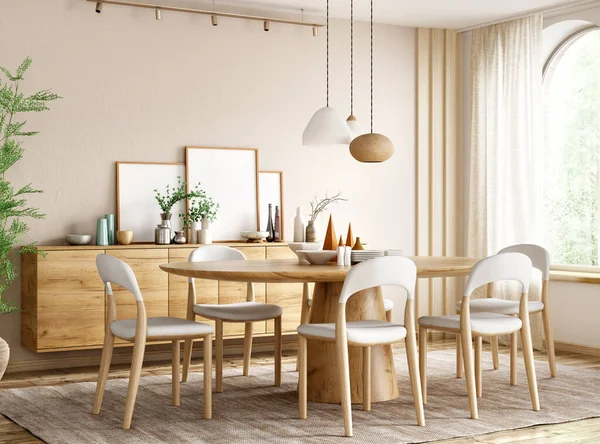
The type of furniture you choose can significantly impact the perceived space in your dining room. Look for transparent or see-through furniture like glass or acrylic tables and chairs, which allow light to flow through and create an open atmosphere. Tapered legs on tables can also enhance the feeling of space, leading the eye to feel more unconfined. Dark, bulky furniture can overwhelm a small area, while airy designs encourage movement.
Incorporating Patterns and Textures
Patterns can add visual interest without overwhelming your small dining room. Choose a mix of fabrics that harmonize with each other to create a cohesive look. For instance, pairing a large floral pattern with a smaller plaid can introduce textures while maintaining balance. Additionally, using different textures—like a smooth wood table combined with upholstered chairs—adds depth, making the space feel inviting.
Mood Enhancement Through Lighting
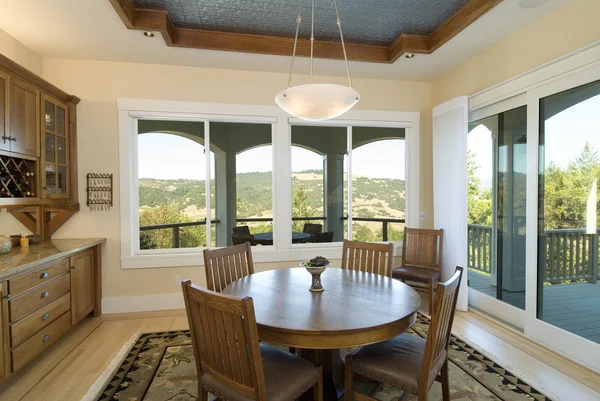
Light is a potent tool for expanding perceived space. Opt for multiple lighting sources to brighten the room effectively. Statement pendant lights not only illuminate the space but draw the eye upwards, enhancing the impression of height. Consider using sheer curtains to allow natural light in without hampering visibility.
Create a Minimalist Design Scheme
Embracing minimalism can significantly enhance the look of a small dining room. A neutral color palette combined with simple, functional furniture prevents clutter and allows the eyes to roam freely within the space. Incorporate plants or fresh flowers for pops of color without overwhelming the scheme. A clean, uncluttered environment makes the dining area appear larger and invites relaxation.
Using Built-in Furniture for Efficiency
Consider built-in bench seating as it maximizes available space while adding a casual vibe. Benches can double as storage units, making them practical for keeping dining essentials hidden yet accessible. This smart design choice optimizes corners and can fit various table shapes.
Art and Decor That Distracts the Eye
Incorporating a striking mural or bold wall art can distract from the limited dimensions of your dining room and create a focal point. Choose muted tones that complement your overall color scheme, drawing the eye away from the room’s size and instead creating a conversation starter. Make sure these decorative elements echo the tones of your furniture and accessories to ensure a rounded look.
Final Thoughts on Expanding Your Dining Room Aesthetic
Creating the illusion of a larger dining area involves strategic choices in color, furniture, and decor. By applying these tips, you can craft an inviting and functional space perfect for gatherings, formal dinners, or everyday meals. Take the first step towards amplifying your dining experience by implementing these design hacks today.