
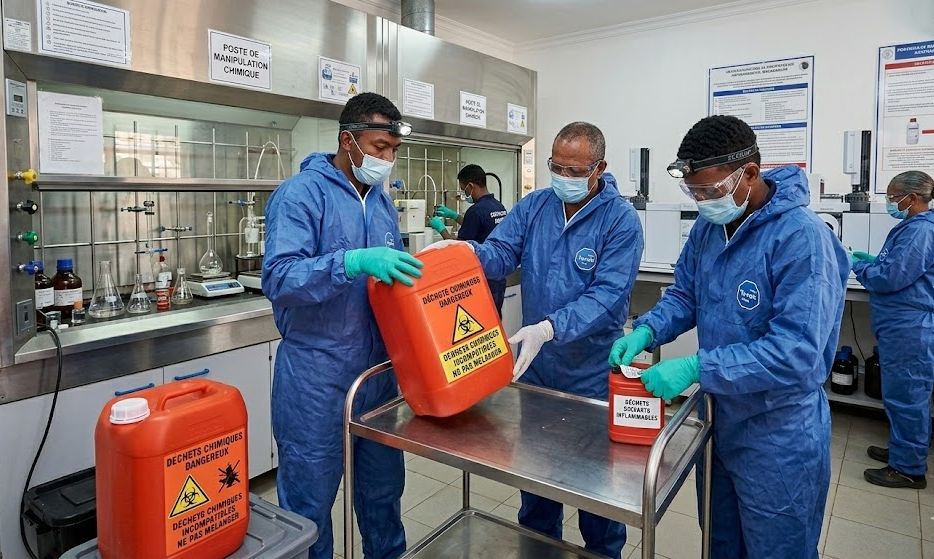
In today’s environmental landscape, efficient management of hazardous waste is crucial for every organization. Lab pack solutions provide a streamlined approach to safely dispose of small quantities of hazardous materials, ensuring compliance and safety while transforming potential liabilities into opportunities. Discover how these specialized services can enhance your waste management practices.
Understanding Lab Pack Solutions
Lab packing is a specialized waste management procedure designed to handle small quantities of hazardous waste. This method involves the packaging of compatible chemicals into appropriate containers to facilitate safe transport and disposal. Qualified professionals known as Field Chemists play a vital role in this process, ensuring that the waste is correctly characterized, segregated, and packed according to stringent regulations set forth by authorities like the Environmental Protection Agency (EPA) and the Department of Transportation (DOT).
The Lab Packing Process
To effectively manage hazardous materials, a few essential steps must be followed:
- Segregation: Waste containers are categorized into groups such as acids, bases, flammables, and toxics.
- Padded Packaging: The containers are cushioned with absorbent materials like vermiculite to minimize movement and risk during transport.
- Labeling: Proper labeling is crucial; each package must clearly indicate its contents and adhere to regulatory requirements.
- Transportation: Once packaged, the waste is transported to a designated Treatment, Storage, and Disposal Facility (TSDF) for proper treatment.
Why Scheduled Cleanups are Essential
As the year draws to a close, the importance of planning for routine lab packing becomes evident. Facilities must remain vigilant in adhering to the EPA’s regulations concerning hazardous waste storage limits. Failing to manage waste effectively can lead to severe penalties. Here are three key benefits of planning cleanups:
Resetting the Regulatory Clock
Every container has a designated storage limit. When this limit is reached, organizations are required to dispose of the waste to avoid steep fines — sometimes amounting to thousands of dollars per day. By scheduling cleanouts well in advance, operations can ensure compliance and prevent potential violations.
Enhancing Safety
Allowing hazardous materials to accumulate can pose significant safety risks. Aging chemicals may decompose, leading to hazardous by-products that complicate disposal. For instance, forgotten peroxides can become unstable and pose critical dangers. Regular cleanouts reduce the likelihood of encountering such threats.
Financial Implications
Scheduling lab packing services provides greater control over both timing and costs. Having a pre-planned service allows for consistent disposal expenditures, which can help lock in favorable disposal rates. Financially savvy organizations recognize the value of proactive planning, as it can lead to substantial cost savings.
Consequences of Improper Hazardous Waste Management
Managing hazardous waste inadequately can expose organizations to various risks, including:
- Increased liabilities: Improper waste management may lead to contamination of groundwater or soil, inviting costly legal actions and damage to reputation.
- Health Risks: Mismanagement may result in employee exposure to toxic substances, leading to acute and chronic health issues.
- Escalating Costs: The misclassification of waste can inflate disposal costs significantly due to manifest fees and surcharges.
Effective Hazard Mitigation Strategies
To mitigate potential hazards, organizations must implement comprehensive waste management strategies. These include:
Accurate Waste Characterization
Detailed profiles that outline chemical names and safety data help ensure safe handling and accurate compliance with disposal regulations.
Routine Audits and Inventory Management
Regular audits assist in tracking storage volumes and ensure all areas remain compliant and safe. Implementing waste management software can enhance tracking capabilities further.
Investment in Infrastructure
By investing in appropriate storage solutions, such as fire-rated cabinets and clearly labeled containers, organizations can significantly reduce risks associated with hazardous waste.
Selecting the Right Lab Packing Partner
Choosing a qualified lab packing provider can be a game-changer for organizations struggling with hazardous waste management. Here are factors to consider during the selection process:
- Qualifications: Ensure the partner has the necessary EPA IDs, hazardous waste permits, and appropriate training.
- Disposal Options: Investigate the disposal methods employed, favoring those that prioritize sustainability.
- Reputation: Research their history through client testimonials and regulatory databases to assess reliability and safety records.
- Cost Analysis: Understand the total cost of ownership, including hidden fees and service offerings. Form partnerships that lead to mutual benefits, such as reduced waste.
In an era where safety and compliance are paramount, investing in lab pack solutions is essential for effective hazardous waste management. Collaborate with an expert service provider to ensure not only regulatory adherence but also the protection of your employees and the environment.

