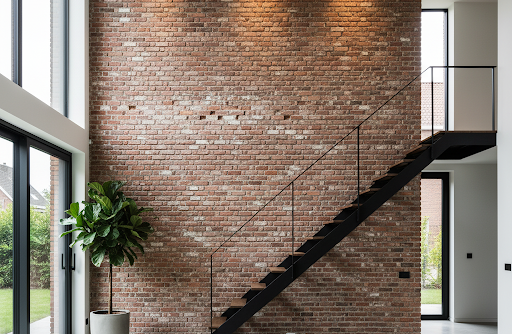

Throughout history, distilleries have not only produced fine spirits but have also contributed to the evolution of industrial architecture. This article explores the fascinating role of bricks used in distillery construction, showcasing how they reflect the rich heritage and craftsmanship behind these iconic buildings.
The Historical Significance of Distillery Bricks
Throughout history, bricks have been essential in constructing not just homes but also the very core of industrial structures. In the context of distilleries, bricks serve more than just a structural purpose; they encapsulate the rich narrative of places where spirits have been carefully crafted for centuries.
For instance, the Gooderham and Worts Historic District in Toronto, a National Historic Site, showcases how well-preserved brick buildings can express the industrial legacy of a city. This remarkable complex, replete with brick and stone heritage structures, reflects the architectural zeitgeist of its time, giving visitors a tangible sense of history while breathing life into modern redevelopment efforts.
Architectural Aesthetics of Distillery Bricks
While practicality in distillery design is paramount, aesthetic appeal plays a crucial role in celebrating the art of distillation. Projects like the Callington Mill Distillery in Tasmania exemplify how brickwork beautifully integrates with the surrounding environment. The sandstock bricks used here not only echo the materials of their historical context but also contribute to the overall ambiance of the distillation process.
Bricks: A Fusion of Functionality and Art
In the case of the Puni Distillery in Italy, brick facades are crafted not only for visual impact but also to facilitate optimal heat retention and durability. The careful sequencing of spaces within the structure allows for efficient production operations, showcasing how bricks can harmoniously blend functionality with artistry.
Moreover, the infusion of innovative materials, such as those found in the Bombay Sapphire Distillery, allow for a fresh interpretation of traditional brickwork. The incorporation of glasshouses not only contrasts but also complements the solidity of brick, providing a stunning visual narrative that invites public interaction.
Modern Innovations and Sustainable Practices in Brick Use
As the realm of distillery architecture evolves, so too does the use of bricks. Modern techniques unleash new potentials, enabling architects to optimize energy efficiency while preserving history. The sustainability aspect inherently connected with brick production and usage cannot be overlooked; responsible sourcing and innovative recycling methods are increasingly being employed.
An excellent example of this is seen in the Middle West Spirits Distillery in Ohio. Built with significant expansion in mind, this distillery features a brick-clad structure that thus adheres to not just a traditional aesthetic but also modern environmental standards.
The Role of Bricks in Enhancing Visitor Experience
It’s essential to consider how bricks impact not just the production side of distilleries, but also the visitor experience. The Macallan Distillery in Scotland seamlessly intertwines bricks with its breathtaking landscape, boasting a design that draws visitors to the production process. Through transparent structures and well-placed brick elements, guests can engage with both history and craftsmanship.
A Cultural Narrative Embedded in Every Brick
Each brick in a distillery holds a story, a memory of the spirits crafted within those walls. From the historic Maltings building to the architectural marvel that is the Spirit of York Distillery, every structure contributes to the fabric of local culture and flavor. Bricks become vessels for regional identity and craftsmanship, transcending mere construction materials.
Connecting Past and Present: The Legacy of Distillery Bricks
Ultimately, the value of distillery bricks in industrial architecture extends far beyond their utilitarian purpose. They serve as a bridge connecting us to the past while allowing for the creative exploration of the future. Through careful adaptation and innovative design approaches, these bricks maintain their relevance, evolving with time while holding fast the stories of those who have walked within their confines.
As we unearth these stories, it’s clear that the bricks used in distilleries are much more than mere building blocks; they are integral components of both the architecture and the rich tapestry of the spirits industry. Whether you’re a seasoned architect or simply an enthusiast of industrial design, the allure of distillery bricks resonates through time.
For more insights into the beauty and utility of masonry, explore the timeless charm of brick veneer and its pivotal role in architecture, or delve into brick veneer essentials for a broader view.