
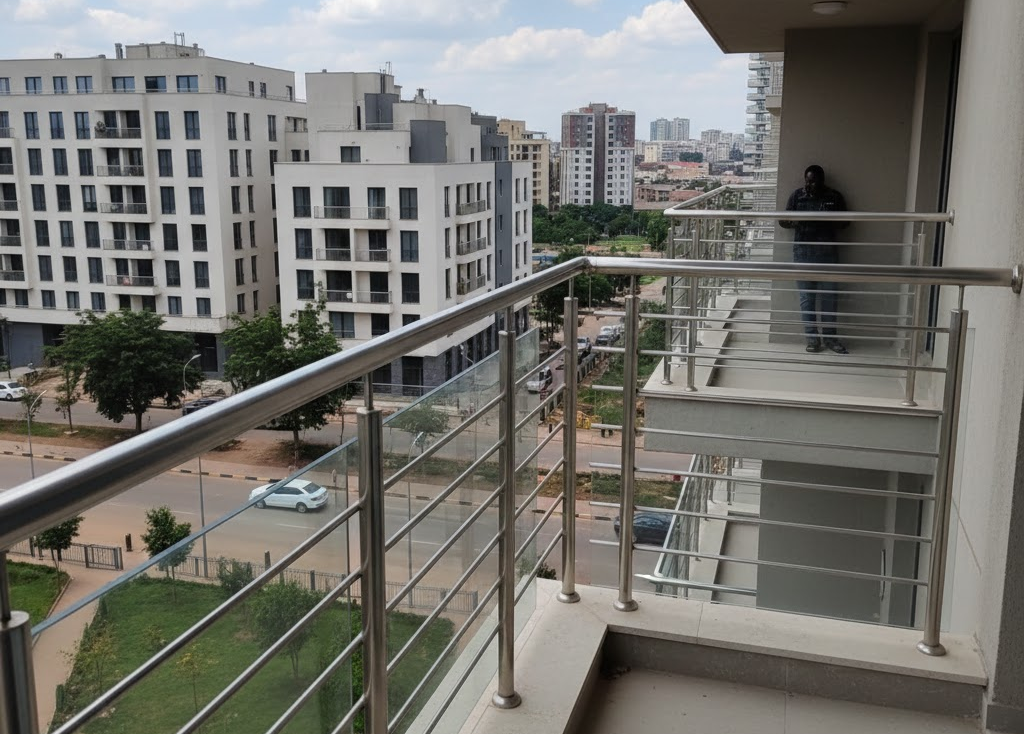
When it comes to safety in your home, understanding railing code requirements is essential. Whether you’re installing new railings or upgrading existing ones, knowing the rules that govern height, baluster spacing, and compliance can help you avoid costly mistakes. Dive into this guide to ensure your property remains safe and up to code.
Understanding Building Codes for Residential Railings
Residential railing regulations are primarily influenced by the International Residential Code (IRC), though specific requirements may differ based on local governments. Before diving into any installation project, take the time to check your local regulations. Failure to comply can lead to fines, construction delays, or even forced removals.
The Purpose of Railing Codes
Railing codes are designed to serve multiple purposes. They ensure that your railing system can withstand expected weight loads, protect residents from falls, and help homeowners remain compliant with insurance standards. For instance, most guardrails must be installed when a walking surface, such as a deck or balcony, is at least 30 inches above the adjacent grade. Moreover, the railing must withstand a concentrated load of 200 pounds applied in any direction, which guarantees that it remains safe under pressure.
Essential Railing Height Requirements
One of the most fundamental aspects of a safe railing is its height. A railing that is too short can easily lead to accidents, whereas one that is excessively tall may obstruct views or create an awkward aesthetic.
Standard Railing Heights for Residential Areas
For residential decks and balconies, the minimum railing height is generally set at 36 inches, measured from the walking platform’s surface to the top of the guardrail. On the other hand, handrails along staircases should typically measure between 34 and 38 inches high. These dimensions not only provide adequate fall protection but also offer support that’s ergonomically friendly.
In certain instances, particularly in multi-family structures or commercial properties, local codes might mandate a higher minimum height, often around 42 inches. Always check with your local building authority to confirm if your project falls under these more stringent regulations. Accurate measurement tools are essential; utilize a level and a tape measure, taking multiple readings to ensure uniformity along the entire railing.
Baluster Spacing and Child Safety Compliance
While railing height draws significant attention, the spacing between balusters—also known as pickets or spindles—is equally important, especially in homes with children or pets. Inadequate spacing poses serious risks by allowing small children to slip through or become entrapped.
Maximum Allowable Gap Between Balusters
Most building codes dictate that the maximum gap between balusters must not exceed four inches. This code is deliberately designed based on the average child’s head size, ensuring that a child cannot pass through or become stuck. To test compliance, envision a four-inch sphere attempting to navigate between the balusters—if it fits, adjustments must be made to comply with safety standards.
Moreover, consistent baluster spacing not only enhances safety but also elevates the overall aesthetic appeal of your railing system. Uneven gaps can detract from its visual charm and may give the impression of a careless installation.
Enhance Your Outdoor Space Responsibly
For homeowners looking to improve their outdoor area, it’s essential to stay informed on safety and compliance. You might want to explore how various landscaping elements can work together harmoniously with your railings and create a cohesive look for your space. Visit this guide to get tips on enhancing your outdoor area safely.
Additionally, if you’re considering fencing solutions to complement your railing system, expert resources are available. Check out this article for more insights on how to combine efficient designs that meet safety codes.
Understanding and adhering to railing code requirements is vital for every property owner to guarantee safety and compliance. For expert guidance tailored to your specific needs, consider consulting a professional contractor who can help navigate local regulations and ensure your installation is both safe and aesthetically pleasing.


