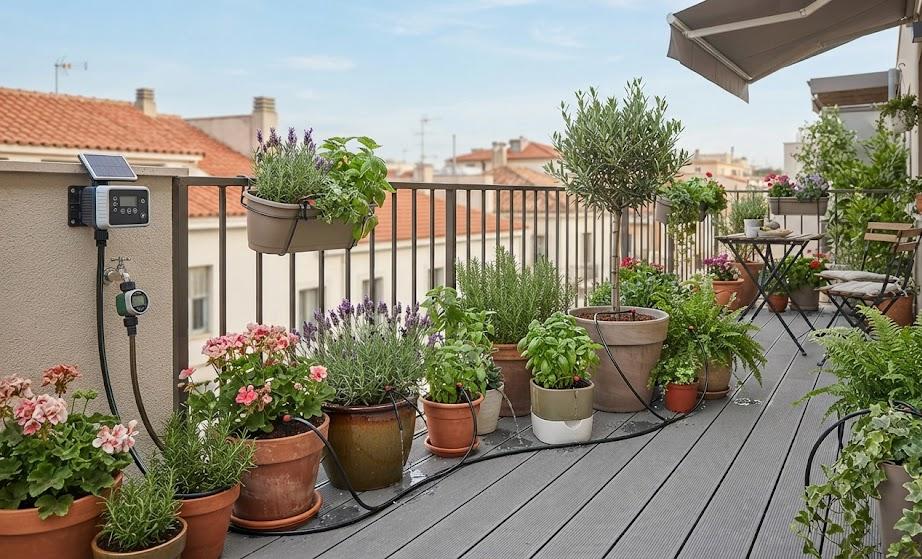
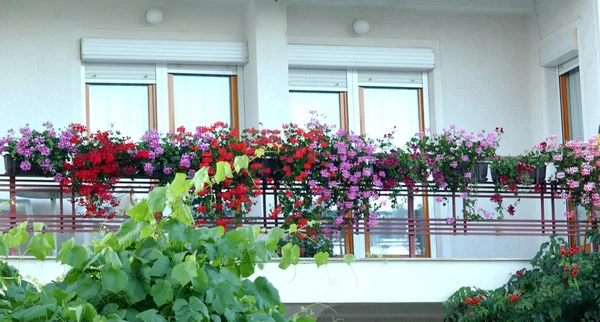
Imagine transforming your small balcony into a vibrant sanctuary for bees and butterflies, creating not just a lush space but also contributing to the ecosystem. In urban areas, pollinators are facing severe threats, and your balcony can become a haven for these essential creatures. By carefully selecting the right plants and creating a welcoming environment, you can attract these pollinators while enjoying a colorful and lively outdoor space.
The Importance of Attracting Pollinators to Your Balcony
Pollinators such as bees and butterflies play a crucial role in maintaining plant health and encouraging food production. Without them, many plants would struggle to reproduce, which could lead to declines in food availability and biodiversity. A well-planned pollinator garden not only supports these insects but also enhances your living area by adding beauty and movement. Here’s how you can make a difference:
- Support local ecosystems: Your garden can provide essential feeding and resting areas in concrete-heavy cities.
- Boost productivity: Additionally, you may notice improved yields in your own herbs and vegetables.
- Create a lively atmosphere: Enjoy the beauty of fluttering insects and blooming flowers right outside your door.
Choosing the Right Plants for Your Pollinator Garden
Selecting the right plants is the backbone of a successful pollinator-friendly balcony. Aim for nectar-rich varieties that thrive in containers:
Herbs That Attract Pollinators
Flowering herbs not only enhance your cooking but also provide food for bees and butterflies. Let’s explore some favorites:
- Lavender: A classic choice loved by bees.
- Basil: When allowed to flower, it becomes a magnet for pollinators.
- Mint: Its lovely blooms attract butterflies.
Flowering Plants for Bees and Butterflies
In addition to herbs, flowering plants are vital for attracting various pollinators. Consider these options:
- Marigolds: Bright and easy to grow, they are a favorite of butterflies.
- Nasturtiums: Edible and vibrant, they attract both bees and butterflies.
- Cosmos: Known for attracting a wide variety of pollinators with their colorful blooms.
Creating a Welcoming Environment
A few simple steps can turn your balcony into a buzzing haven:
- Use Containers: Opt for pots and rail planters to maximize space. Group plants of the same type together to improve visibility for pollinators.
- Year-Round Blooms: Choose plants that flower in different seasons to provide a continuous food supply.
- Avoid Chemicals: Instead of chemical fertilizers or pesticides, utilize organic alternatives to protect your pollinators.
Maximizing Space in Small Balconies
Even a small balcony can host a thriving pollinator garden. Here are some tips:
- Vertical Gardening: Use wall planters and hanging pots to create layers of flowers.
- Tiered Planting: Incorporate tiered pots to make the most of your available area.
- Cluster Plants: Group flowers together to enhance their visual appeal and attract more pollinators.
Encouraging Pollinator Visits
To further attract bees and butterflies, consider adding some additional features:
- Create a Bee Bath: A shallow dish of water filled with pebbles can provide a safe drinking area.
- Add Shelter: Small bee houses or dense plantings can offer protection for pollinators.
- Encourage Flowers to Bloom: Let some herbs flower naturally so that pollinators have access to nectar.
Common Mistakes to Avoid
While cultivating a pollinator garden, be mindful of some common missteps:
- Choosing Only Ornamental Plants: Ensure that you select flowers known for producing nectar.
- Overcrowding: Leave ample space for pollinators to land and move between plants.
- Using Harmful Chemicals: Avoid any sprays that may harm beneficial insects like bees.
Creating Your Pollinator Paradise
Even with limited space, you can cultivate a vibrant and supportive environment for pollinators. By selecting the right plants, creating an inviting habitat, and learning from common pitfalls, your balcony can flourish as a mini-ecosystem. Every blossoming flower and visiting bee enriches the world around us—make your balcony the first step toward making a lasting impact in urban biodiversity. Start today, and enjoy the colorful tableau and buzzing activity right outside your window!