
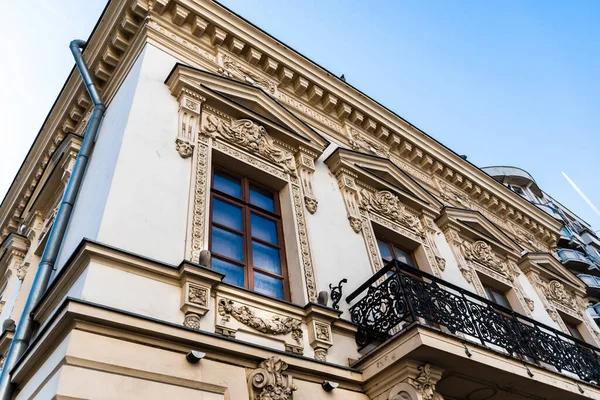
In the realm of residential renovation, historic homes offer a unique challenge that combines nostalgia with modern living. Homeowners are increasingly drawn to the idea of preserving the charm of older properties while integrating contemporary comforts. This trend encapsulates the essence of balancing architectural integrity with innovative design solutions. By respecting the history and character of these homes, while introducing modern amenities, residents can create living spaces that not only honor the past but also cater to present needs. This article delves into effective strategies for marrying the timeless qualities of historic homes with contemporary functionality.
Understanding Historical Architecture and Its Significance
Every historic home tells a story through its architectural style, materials, and craftsmanship. These homes often feature elements like intricate woodwork, high ceilings, and unique moldings that contribute to their allure. However, ensuring that these homes meet today’s standards requires thoughtful renovation techniques. Homeowners must approach renovations with an appreciation for each home’s unique history while considering the practicalities of modern life.
Assessing Structural Integrity Before Renovations
A comprehensive understanding of the home’s structural systems is the first step in any renovation process. This includes evaluating the original framing and foundation to determine what changes are feasible. Historic homes often employ various framing techniques, such as balloon framing, which can complicate renovations if not properly assessed. Consulting with a structural engineer can help avoid costly mistakes and unforeseen challenges.
Adopting Adaptive Reuse Strategies
Adaptive reuse goes beyond preservation; it involves reconfiguring spaces to meet contemporary standards without sacrificing the building’s integrity. This approach is particularly relevant in urban areas where space is limited. By transforming a historic home’s existing layout, homeowners can meet their current lifestyle needs while retaining its architectural character. Modern solutions, like high-velocity mini-duct systems for heating and cooling, serve as excellent examples of how to respect the original design while enhancing livability.
Installing Modern Comforts
- Heating and Cooling Systems: Opt for ductless mini-split systems to maintain a home’s aesthetics.
- Energy Efficiency: Employ the Passive House approach for retrofitting homes for better energy management.
- Insulation Techniques: Choose methods like dense-pack fiberglass which allow for wall drying, essential in older homes.
Enhancing Natural Light and Space
Many historic homes possess deep floor plans, often resulting in dark interior spaces. By strategically introducing natural light through internal openings, homeowners can transform these areas into inviting environments. Solutions include adding glazed transoms above doorways or incorporating skylights to brighten stairwells, creating a sense of openness while preserving the home’s original structure.
Choosing the Right Materials
The choice of materials in a renovation greatly impacts the overall aesthetic. Transitioning between modern and historic elements requires careful consideration. Selecting materials that are compatible with the original design can create a seamless flow from old to new. For example, restoring original hardwood floors and using matching finishes can highlight the home’s history while integrating contemporary touches. Similarly, selecting energy-efficient windows that mimic historic profiles can enhance comfort without compromising style.
Creating a Cohesive Design Language
A successful renovation harmonizes old and new elements, providing a cohesive design language that respects heritage. Whether it’s through matching paint colors, similar flooring types, or the thoughtful arrangement of spaces, the goal is to create environments that feel both historic and modern. By integrating contemporary fixtures that complement original architectural features, homeowners can enhance the home’s charm while ensuring functionality.
Considerations for Outdoor Spaces
Outdoor areas surrounding historic homes also deserve attention. Thoughtful landscaping, the addition of period-appropriate furniture, and clear pathways can enhance the overall ambiance while preserving historical significance. Engaging in sustainable practices, such as using native plants, can further integrate the home into its natural surroundings.
Embracing the History While Looking Forward
Renovating a historic home is a journey that requires a balance of respect for the past and a vision for the future. While the challenges are significant, the rewards include creating a space that honors history while meeting modern requirements. Homeowners looking to pursue such projects will find that with thoughtful planning and execution, it is entirely possible to harmoniously blend modern comfort with timeless character.
