
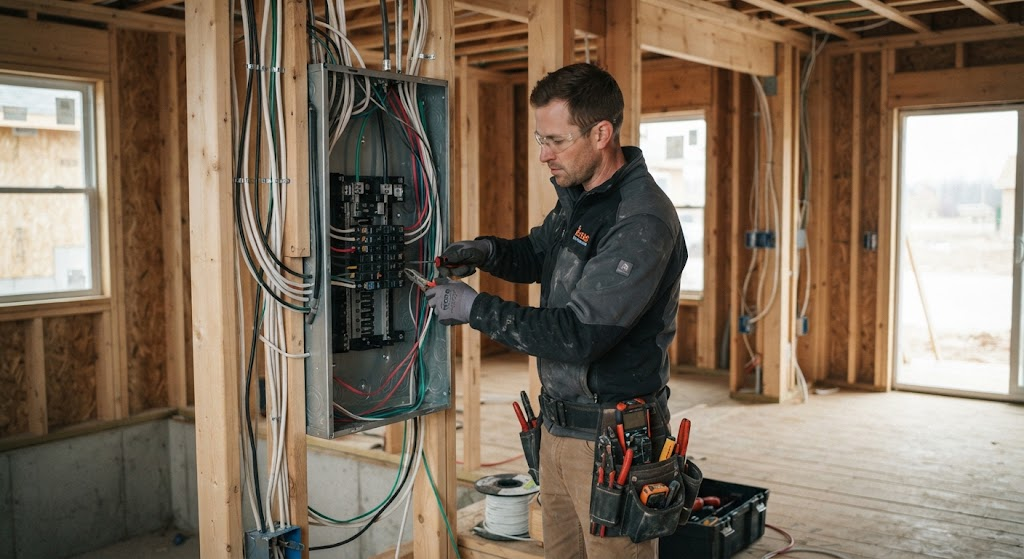
In the excitement of moving into a newly built home, buyers often overlook the hidden electrical details that can significantly impact safety and functionality. From wiring configurations to outlet placements, these elements are vital for ensuring a smooth living experience. Understanding these concealed aspects can save homeowners from future headaches and enhance their appreciation of their new space.
Examine Wiring Configurations in Your New Home
Wiring configurations are fundamental to the electrical system in a new home. Ensuring these configurations are up to code not only guarantees safety but also optimizes the performance of appliances and devices.
Understand the Importance of Correct Wire Gauge
The gauge of the wire affects how much current it can safely carry. Using the correct wire gauge is vital to avoid overheating and potential hazards. Homeowners should consider the following:
- Safety: Incorrect gauge can lead to electrical fires.
- Efficiency: Appropriate sizing ensures devices receive adequate power.
- Future-proofing: Installing higher capacity wiring can accommodate future upgrades.
Assess the Outlet Placement and Types
Another critical element often overlooked is the placement and types of electrical outlets. An effective outlet strategy enhances convenience and reduces the risk of overusing extenders.
Identify Various Outlet Types for Different Needs
Understanding the purpose of different outlet types helps homeowners make informed decisions. Key outlets include:
- GFCI Outlets: Required in areas prone to moisture for safety.
- AFCI Outlets: Enhance fire safety by detecting arc faults.
- USB Outlets: Convenient for charging devices without adapters.
Ensure Compliance with Electrical Codes
Compliance with local electrical codes is essential for safety and legality. These codes dictate the standards for electrical systems to prevent hazards.
Check for Code Violations During Inspection
Hiring a qualified inspector to evaluate compliance can reveal violations that could affect your insurance and safety. Common violations include:
- Improper Grounding: Essential for the safety of electrical systems.
- Overloaded Circuits: Can lead to overheating and fires.
- No Smoke Detectors: Vital for early fire detection.
Review the Panel and Breaker Setup
The electrical panel is the heart of a home’s electrical system, and its setup plays a crucial role in safety and functionality. A comprehensive review is necessary.
Understand the Importance of Circuit Breaker Ratings
Circuit breakers protect your home from overloads and short circuits. Knowing their ratings ensures they are adequate for all home appliances and systems. Consider the following:
- Amperage Ratings: Make sure they meet or exceed your home’s needs.
- Labeling: Every breaker should have clear labels for easy identification.
- Accessibility: Ensure the panel is reachable for maintenance.
Evaluate Energy Efficiency Features
New homes often come equipped with energy-efficient electrical features designed to save money and protect the environment. Evaluating these features can enhance your home’s value.
Recognize Smart Home Integrations
Smart home technology not only offers convenience but can significantly increase your home’s efficiency. Common integrations include:
- Smart Thermostats: Optimize heating and cooling based on usage.
- Smart Lighting: Control energy use with programmable options.
- Home Automation Systems: Manage various systems from a single device.
Plan for Future Electrical Needs
As families grow or lifestyles change, so do electrical needs. Planning for these eventualities is an essential step in ensuring long-term satisfaction and safety in a new home.
Consider Additional Outlets and Hardwired Devices
Anticipating your future electrical needs can prevent costly modifications down the line. Think about:
- Additional Outlets: Useful for accommodating more devices.
- Hardwired Appliances: Consider planning for new appliances you may want to add.
- Increased Circuit Capacity: Allowing for future technologies or expansions.
Understand the Benefits of Professional Assistance
Engaging with skilled electricians ensures that all elements of your home’s electrical system are professionally executed and in compliance with standards.
Seek Professional Inspections and Consultations
Investing in professional inspections and consultations can reveal potential issues early. Benefits include:
- Expert Knowledge: Professionals can identify hidden problems.
- Compliance Assurance: Ensuring everything meets local codes.
- Peace of Mind: Knowing that your electrical system is safe and reliable.
In conclusion, hidden electrical details can have a major impact on the safety, comfort, and long-term reliability of a newly built home. Careful planning of wiring, connections, outlets, and electrical systems helps prevent future issues. Working with electrical professionals ensures that these details are properly considered from the beginning.