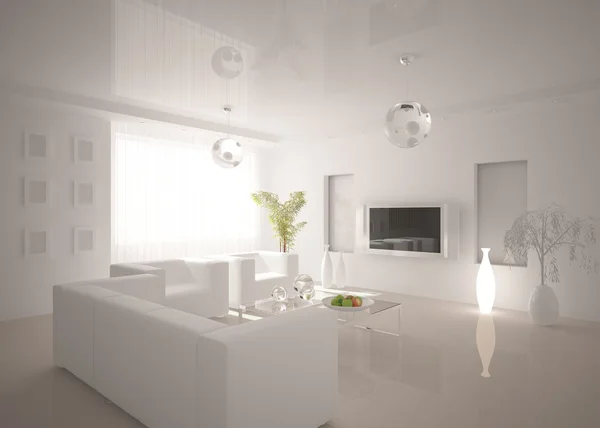
Decorating with white may seem simple, but it’s frought with potential pitfalls that can turn your space from serene to stark. This color, while versatile and timeless, requires careful consideration to avoid common mistakes that can detract from your aesthetic vision. Whether you’re revamping a single room or your entire home, understanding these missteps can lead to a beautifully cohesive design. Let’s delve into the most common errors people make when working with white decor and how to steer clear of them.
Choosing the Wrong Shade of White
The world of white paints is expansive; they’re not all created equal. Selecting the wrong shade can result in an environment that feels cold or bland. It’s crucial to consider the surrounding colors and the lighting in your space. For example, a stark, crisp white can appear sterile in a dimly lit room, while a warmer white can soften the space. Always test paint samples on your walls and evaluate them under different lighting conditions before making a final choice.
Neglecting Natural Light
Natural light plays a significant role in how colors appear in your home. When decorating with white, be mindful of how much sunlight a room receives throughout the day. A room bathed in bright light can benefit from cooler whites, while a dim room might need warmer tones to achieve a cozy atmosphere. Ignoring this element can lead to disappointing results.
Overusing White in Small Spaces
While white can create an illusion of space, too much white in a small area can make it feel barren. To avoid this, balance white with darker colors or rich textures. For instance, pairing white walls with dark furniture or colorful accents can make the space feel more inviting and less stark. Incorporating patterns through textiles, like cushions or rugs, can also add depth without overwhelming the design.
Ignoring Texture and Layers
White decor can sometimes come off as flat if not layered properly. Introducing various textures is essential; consider mixing materials like wood, metal, and fabric to create a more dynamic look. Soft furnishings, such as throws or cushions, can add warmth and invite touch, enhancing the overall aesthetic experience.
Inconsistent Design Elements
When decorating with white, inconsistency in design can lead to a chaotic and unharmonious environment. Ensure that furniture styles, decorations, and architectural elements are cohesive. For example, mixing modern furniture with vintage decor can create conflict. Aim for a harmonious blend that reflects a unified aesthetic vision, making your space feel thoughtful and intentional.
Forgetting About Accents and Accessories
Accessorizing is vital when working with white. Without careful consideration of accents, a white room can feel cold or impersonal. Use vibrant artwork, colorful cushions, or striking decor items to inject personality and warmth. These accents can become focal points that bring life to your white decor.
Lack of Focal Points
Every room needs a focal point to engage the eye. In a predominantly white space, a lack of focal points can create monotony. This can be addressed by incorporating striking furniture pieces or wall art. An eye-catching chandelier or a bold piece of art can serve as an anchor, setting the tone for the rest of the decor.
Not Considering Maintenance
White surfaces, while beautiful, can require more upkeep. Be mindful of the materials you choose, especially in high-traffic areas or homes with pets. Opt for washable fabrics and durable finishes that can handle the wear and tear of daily life without sacrificing style. It’s essential to balance aesthetic appeal with practical considerations.
Failing to Personalize Your Space
One of the biggest mistakes in white decor is neglecting to infuse your personality into the design. A white palette offers a perfect canvas for your tastes and interests. Incorporate family photos, travel souvenirs, or unique finds to make your space truly yours. This personal touch not only elevates the design but also creates a welcoming and warm environment.
Ignoring Seasonal Changes
White decor can become stale if it’s not refreshed seasonally. Rotate decorative items, cushions, or even art pieces to reflect different seasons. This keeps the space feeling vibrant and engaging, allowing for creativity without starting from scratch.
| Common Mistakes | How to Avoid |
|---|---|
| Choosing the wrong shade of white | Test samples under varying light conditions. |
| Overusing white in small spaces | Introduce darker colors and rich textures. |
| Ignoring texture and layers | Mix materials and incorporate soft furnishings. |
| Inconsistent design elements | Ensure cohesion in style and decor. |
| Lack of focal points | Add striking furniture or decor pieces. |
By being mindful of these common mistakes when decorating with white, you can create a space that is not only visually stunning but also inviting and warm.


