Transforming your large garden into a captivating oasis requires creativity and a clear vision. With the right landscaping ideas, you can make the most of your expansive outdoor space, creating areas that invite relaxation, enjoyment, and vibrant natural beauty. From striking water features to lush planting schemes, here’s how to get started on your landscaping adventure.
Define Your Space with Structure
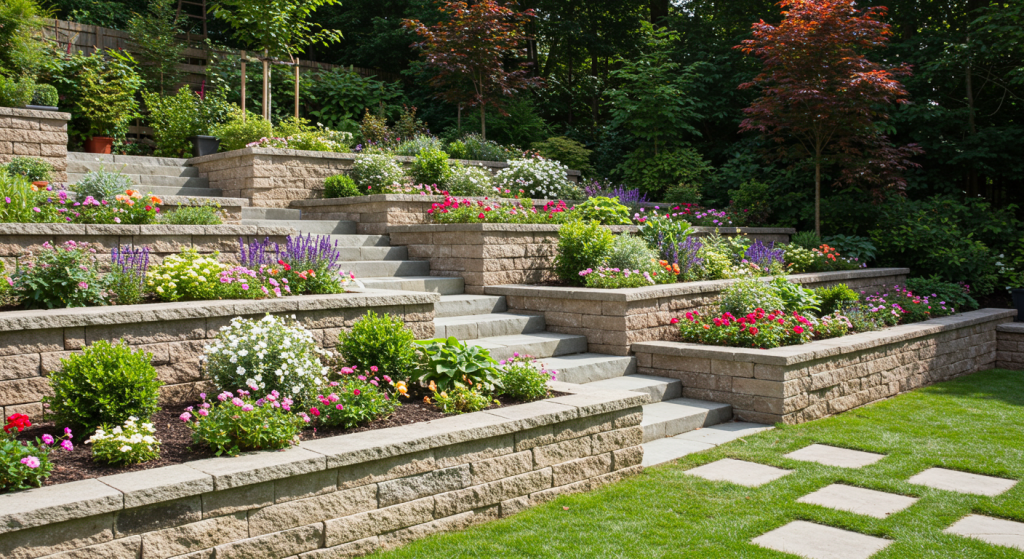
One of the first steps in landscaping a larger garden is to impose a sense of structure. Think about creating garden rooms that serve distinct purposes. For instance, consider setting aside a section for entertainment, another for relaxation, and a spot for growing herbs and vegetables. Using elements like hedges, low walls, and trellises can serve as beautiful dividers while adding interest to your landscape.
Embrace the Power of Pathways
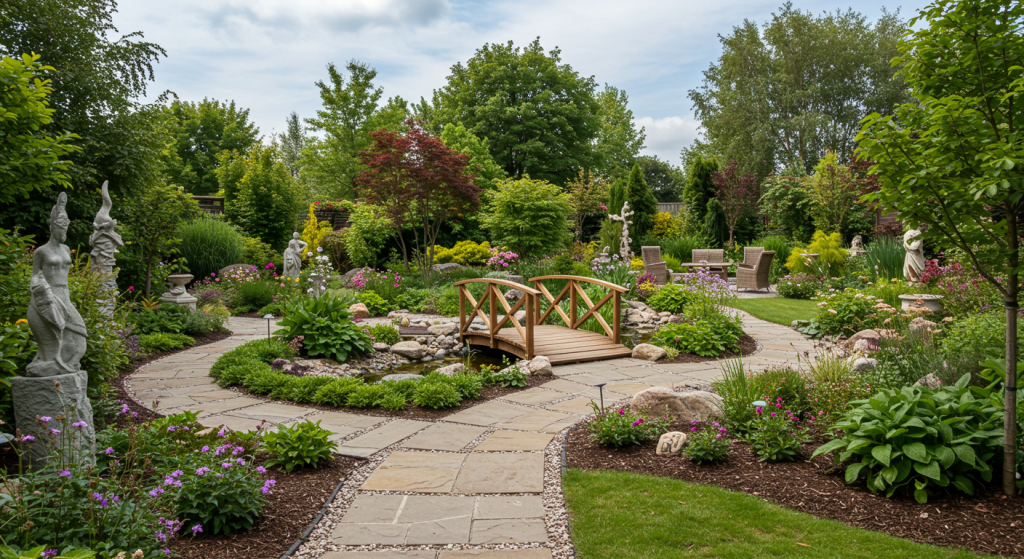
Paths are not only functional; they can also serve as artistic expressions that guide visitors through your garden. You can opt for winding gravel paths that meander through flower beds or sturdy stone walkways for a more rustic feel. Creating clear paths ensures that your garden feels cohesive and invites exploration.
Incorporate Unique Features
Adding a few striking elements can elevate your garden’s aesthetics. One idea is to install a water feature, such as a pond or fountain, which can create a soothing atmosphere. Not only do water features attract wildlife, but they also serve as calming focal points. For insights on integrating these elements, check out our article on 5 tips for incorporating water features.
Statement Trees and Focal Points
Don’t shy away from using statement trees to inject drama and height into your landscape. Varieties such as Liquidambar or Sorbus can bring stunning autumnal color or elegant blooms during spring. By positioning these trees thoughtfully, they can act as stunning focal points that define different zones in your garden.
Play with Planting Techniques
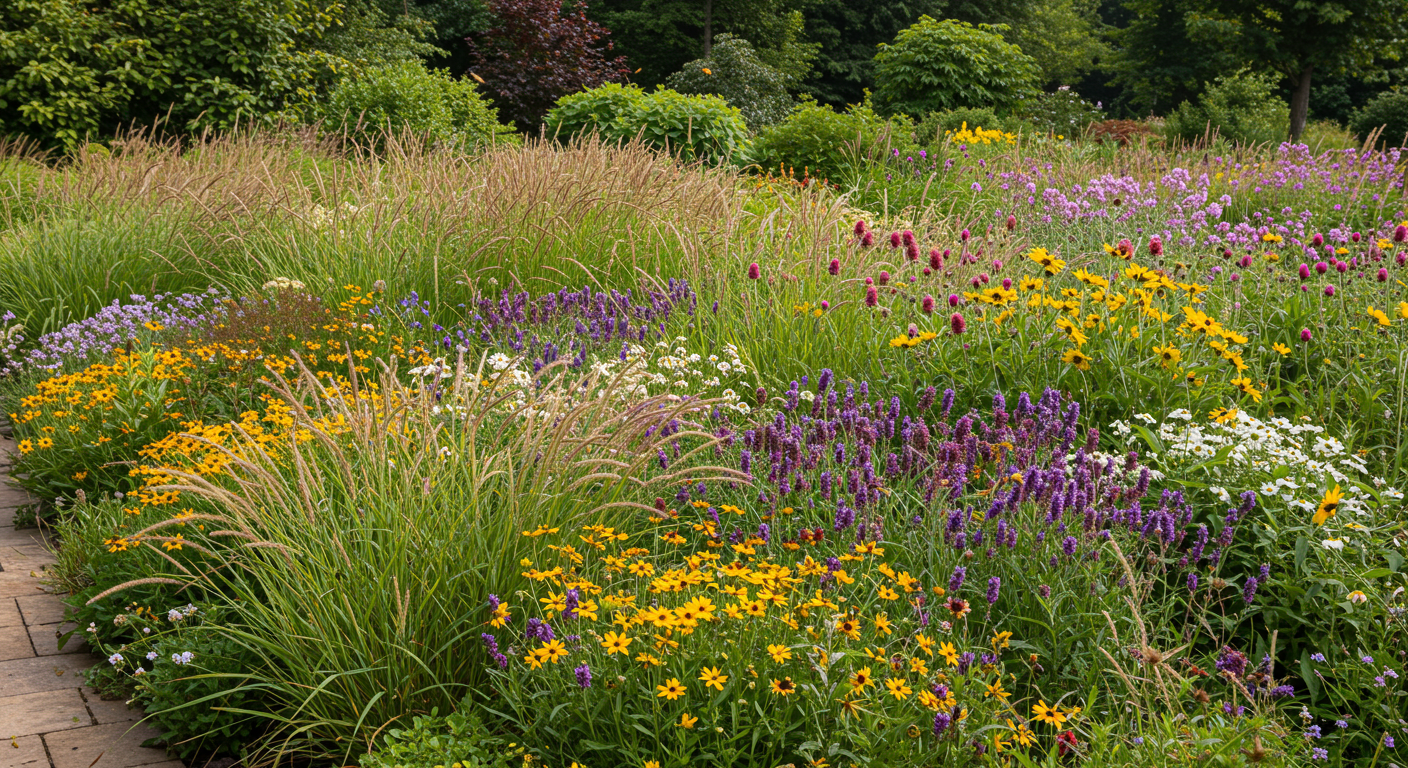
When it comes to planting, think beyond the ordinary. Consider new techniques, such as prairie-style planting, which uses swathes of grass and perennials to create a dynamic and ever-changing environment. Such designs can immerse visitors in a rich tapestry of color, texture, and motion.
Wildflower Meadows
If you’re looking to attract pollinators and create an eco-friendly garden, cultivating a wildflower meadow is an excellent choice. This involves sowing a mix of native wildflowers that thrive in your area. As an added bonus, such a garden arrangement requires less maintenance compared to traditional lawns.
Create Cozy Areas
After all the expansive landscaping, it’s vital to incorporate cozy spaces where you can unwind. Think about establishing a reading nook tucked away among trees or a fire pit area for nighttime gatherings. These intimate spots can provide a respite from the vastness of the garden, offering a perfect space for relaxation.
Outdoor Kitchen and Dining Areas
Consider transforming part of your garden into an outdoor kitchen and dining space. With the popularity of alfresco dining, a tastefully designed outdoor cooking area can create a natural flow between your indoor and outdoor living spaces. By including a grill, ample prep space, and comfortable seating, you can enjoy countless meals surrounded by nature.
Use Landscaping Principles Wisely
Landscaping requires knowledge of design principles to avoid a chaotic look. Applying balance, proportion, and harmony while arranging plants and features ensures that your garden feels cohesive. Take note of elements like color schemes and plant heights to create a unified design.
Textures and Layers
Layering different textures in your garden design can beautifully enhance its visual appeal. Mix grassy areas with floral borders and hardscaping, utilizing stones, wood, and metals. This creates depth and draws the eye through the space, making the garden feel more inviting.
Wildlife-Friendly Features
Integrating wildlife-friendly features such as birdhouses, butterfly gardens, and even a wildlife pond can promote biodiversity in your garden. Such elements not only provide a thriving habitat for local wildlife but also benefit the plants in your garden, as many insects aid in pollination. You can learn more about creating a wildlife pond here.
Fun and Whimsy in the Design
Don’t forget to bring an element of fun into your landscaping. A garden maze or a whimsical folly can serve as delightful surprises, stimulating both curiosity and joy for all who visit your garden. These additions can express your personality and enhance the overall aesthetic appeal.
Ultimately, the landscape of a large garden should reflect personal taste while inviting exploration and relaxation. By embracing creativity and calling a professionnal, you can transform your expansive outdoor area into a captivating retreat.