
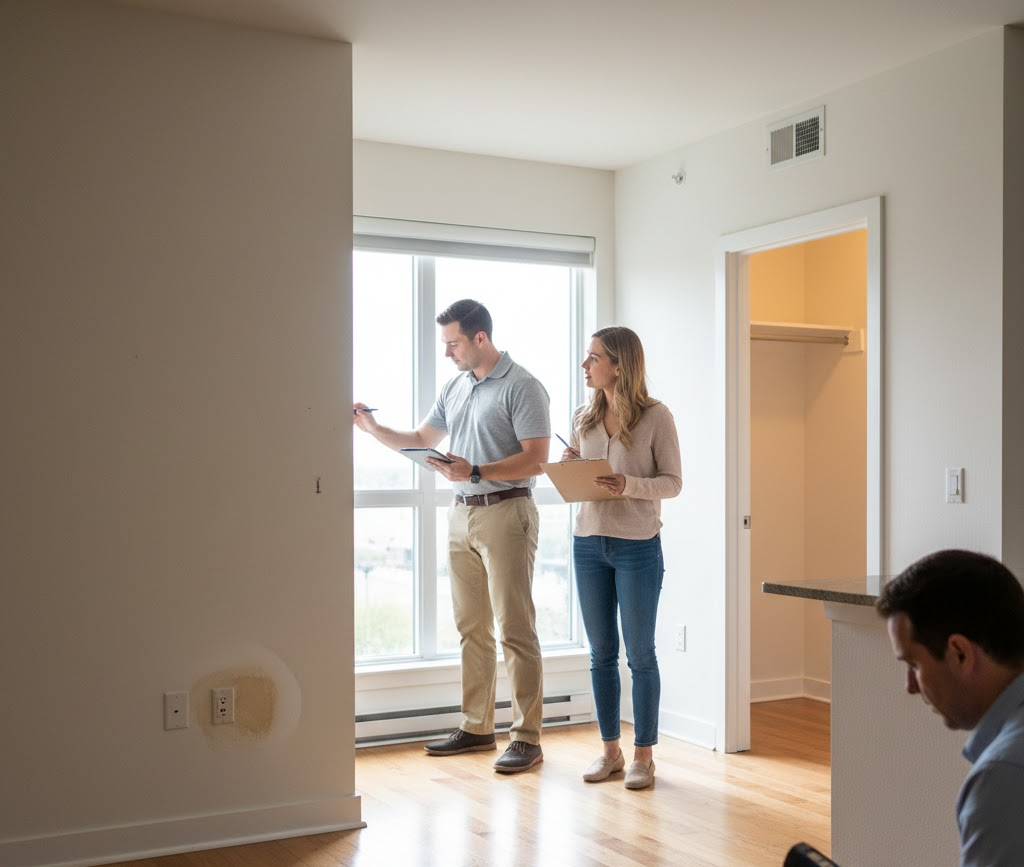
When it comes to managing rental properties, understanding the common issues that arise during inspections is crucial for both landlords and tenants. From cleanliness concerns to safety standards, being aware of these potential pitfalls can help ensure a smooth rental experience. Let’s explore the most frequent problems found during renters inspections and how to address them effectively.
Unauthorized Occupants and Pets
One common challenge property managers face during renter inspections is unauthorized occupants and pets. Tenants occasionally bring in friends or family members to live with them, or they might adopt pets without prior approval. This can lead to violations of the lease agreement and can affect property wear and tear.
To manage this issue, it’s important to conduct thorough tenant screenings and maintain open lines of communication regarding occupancy rules. Regular inspections serve as reminders to tenants about adhering to lease agreements. Finding unauthorized pets or occupants can be addressed directly by asking tenants to remove them; however, landlords can also incorporate strict repercussions for breaching these terms.
Cleanliness and Maintenance Standards
Another frequent concern during inspections is the overall cleanliness of the property. A dirty space not only violates sanitation standards but can also lead to pest issues and health risks. Many landlords report finding mold, clutter, and unsanitary conditions during rental inspections.
To combat this, landlords should set clear expectations before tenants move in. Discuss mandatory cleaning schedules and offer resources, such as a list of preferred cleaning services, to help tenants maintain the property’s hygiene. If tenants neglect cleanliness, property managers can issue a directive requiring them to address these concerns promptly.
Unauthorized Alterations
Tenants sometimes make unauthorized modifications to their rented residences, like painting walls or installing shelves without consent. These changes might seem harmless but can significantly affect the appearance and safety of the property.
To alleviate this issue, lease agreements should explicitly outline what changes are permitted and the process for obtaining approval for any alterations. Regular inspections can help identify these changes early on, and property managers should encourage tenants to revert unauthorized alterations or seek approval for desired adjustments.
Safety and Compliance Violations
Ensuring that the property adheres to safety codes is crucial. During inspections, property managers need to be vigilant for potential safety hazards, including faulty wiring, missing smoke detectors, or improperly secured railings. These oversights can pose serious risks to tenants and lead to liability issues for landlords.
Immediate action should be taken to rectify any safety issues found during inspections. Additionally, routine safety audits should be scheduled to maintain compliance and ensure the well-being of tenants. Property managers should familiarize themselves with local safety regulations and ensure their properties meet these standards.
Structural and Maintenance Issues
Many potential problems may arise from plumbing and electrical systems. Issues such as leaky pipes, water damage, or faulty wiring can easily emerge over time. Addressing these problems proactively can save landlords from costly repairs in the future.
During inspections, property managers should look for tell-tale signs like dampness, unusual noises, or visible wear. If any issues are detected, calling in a qualified professional to assess and repair the damage is essential for maintaining the property’s integrity.
Feedback and Tenant Communication
Inspections are not only a way to assess property condition but also an opportunity to obtain valuable feedback from tenants. Engaging in conversation with tenants about their experiences can uncover additional concerns, such as noise disturbances or maintenance grievances.
Fostering a transparent dialogue with tenants can help build strong relationships and often leads to better property care. Encourage open communication during inspections, allowing tenants to voice any complaints or suggestions for improvement.
Left Behind Items
Upon the conclusion of a tenancy, it’s not uncommon to find items left behind by tenants. Whether it’s clothing, furniture, or trash, handling these items can become an expensive and logistical challenge for property managers.
To mitigate this, establish clear end-of-lease cleaning protocols, including clarifying the tenant’s responsibilities regarding the removal of personal belongings. Regular inspections can also remind tenants about their obligations before moving out.
Understanding the common issues found during renters inspections is crucial for both landlords and tenants alike. By staying vigilant and proactive, and if needed, consulting a qualified home inspector or other professionals, you can ensure that your property remains safe, compliant, and a welcoming place for tenants.


