
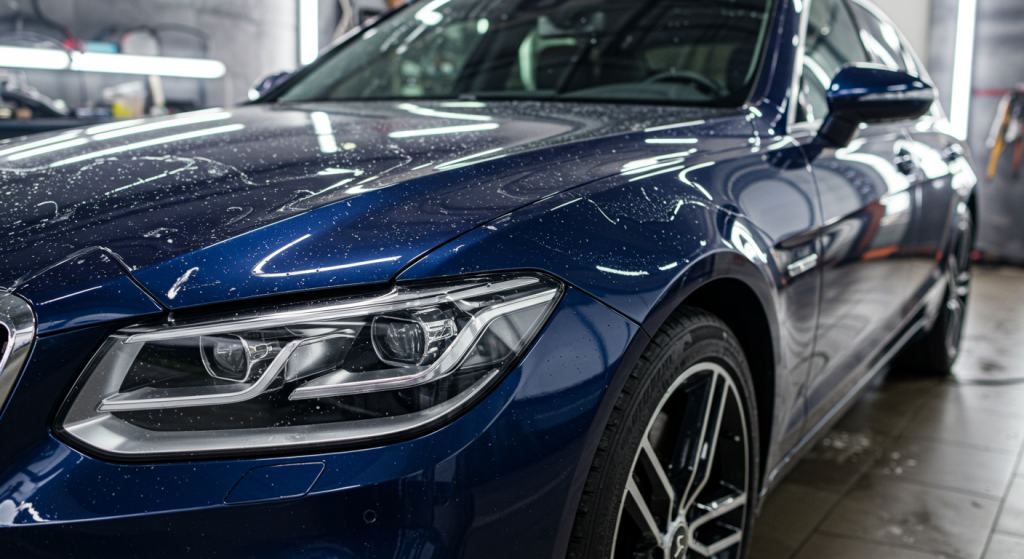
Maintaining the appearance and value of your vehicle is essential, and Paint Protection Film (PPF) offers an innovative solution to achieve just that. This advanced film provides a nearly invisible barrier against scratches, chips, and environmental harm. Discover how PPF can safeguard your investment and keep your ride looking brand new for years to come.
Understanding Paint Protection Film (PPF)
Paint Protection Film, often referred to as clear bra, is a flexible, transparent layer that protects the surface of your vehicle’s paint. First developed for military applications, its advanced technology has been adapted for automotive care. Typically made from thermoplastic urethane, PPF provides a glossy finish while remaining virtually invisible, enhancing your car’s appearance.
Benefits of Using Paint Protection Film
Superior Protection Against Damage
PPF offers a robust defense against various types of damage. It is effective against scratches, rock chips, and other road debris. Additionally, it protects your paint from the harmful effects of UV rays, maintaining its color and preventing oxidation. Not only does it act as a barrier against physical damage, but it is also designed to withstand chemical exposure, including bird droppings and road salts.
Preservation of Vehicle Value
Investing in PPF can significantly preserve your car’s resale value. A well-maintained exterior is a testament to the vehicle’s overall care, and buyers often pay a premium for well-kept cars. Although the initial cost of applying PPF may seem high, it reduces the need for frequent paint corrections, thus saving you money over time.
Enhanced Aesthetics
This film is designed to be crystal clear, allowing your vehicle’s original paint to shine through without affecting its color. Some premium PPF products even exhibit self-healing properties, meaning minor scratches can disappear with the application of heat. This ensures your vehicle is always looking its best, a significant factor for any car enthusiast.
Different Types of Paint Protection Film
1. Standard Clear PPF
This is the most commonly used type, perfect for daily drivers. It provides basic protection while maintaining a glossy finish. If you’re looking for budget-friendly protection, standard clear PPF is an excellent choice.
2. Matte PPF
If you want a unique look for your vehicle, matte PPF offers an appealing alternative. This variant protects matte finishes or can transform a glossy vehicle into a standout matte option.
3. Colored PPF
Colored PPF opens the door for extensive customization. Available in various shades, it allows car owners to change the appearance of their vehicle without committing to a full paint job, combining protection with personalization.
The Installation Process
Professional vs. DIY Installation
The application of PPF is a precise process that benefits greatly from professional expertise. While DIY kits are available, they come with a risk of errors such as bubbles and creases. A professional installer will have the tools and experience necessary for a flawless application, ensuring your film looks great and performs optimally.
Installation Steps
The installation process involves several essential steps:
- Surface Preparation: The vehicle surface must be thoroughly cleaned to ensure proper adhesion.
- Film Application: The PPF is applied meticulously to avoid imperfections, and the edges are expertly wrapped.
- Curing: Allowing the film to cure ensures it adheres properly, forming a strong bond with the paint.
Maintenance Tips for Paint Protection Film
Regular Cleaning Practices
To maximize its longevity, wash your PPF-treated vehicle regularly. Use a mild car wash soap and a soft microfiber cloth to avoid scratches. Avoid harsh chemicals as they can harm the film.
Drying Techniques
When drying, opt for a soft microfiber towel to prevent abrasions. Rather than rubbing the towel across the surface, gently blot to preserve the film’s shine.
Cost Considerations for Paint Protection Film
Factors Affecting Cost
Several factors come into play when determining the cost of PPF:
- Vehicle Size: Larger vehicles require more material, which can drive up costs.
- Film Quality: Higher-end products often come with advanced features, increasing the overall expense.
- Professional Installation: Hiring a qualified installer will enhance the film application but also adds to the cost.
Is PPF Worth the Investment?
While the upfront cost is significant, the long-term benefits—in terms of protection, reduced maintenance costs, and preservation of resale value—often outweigh the initial investment.
Conclusion on Car Care with Paint Protection Film
With its ability to guard against scratches and environmental damage, PPF enhances your car’s longevity and resale value. Proper maintenance ensures that the benefits of PPF are maximized.


