
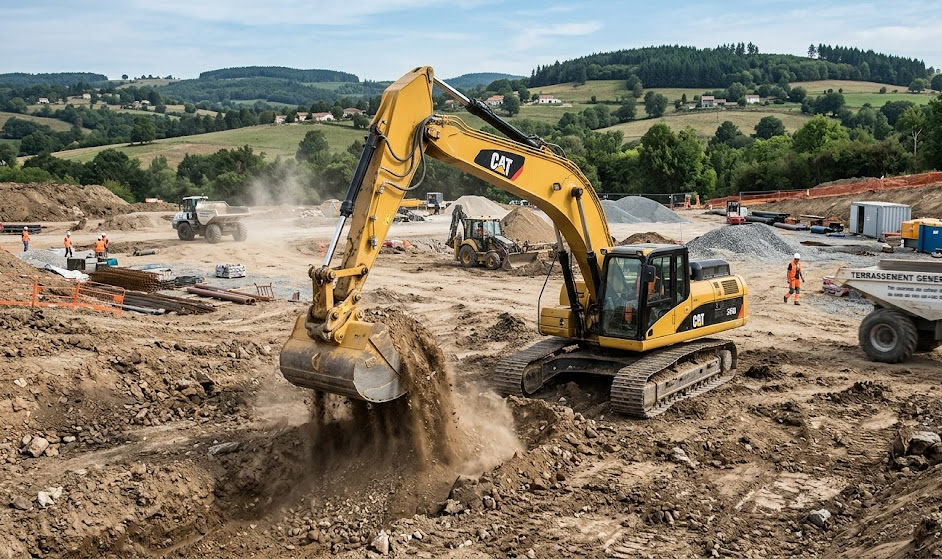
Are you ready to take the plunge into your next construction project? Before you break ground, it’s essential to understand the excavation process and the steps needed to ensure a successful start. From permits to drainage solutions, here’s everything you should know to set the stage for your dream build.
The Essential Steps to Understand Excavation
Excavation isn’t just about moving dirt; it’s a critical phase that lays the groundwork for the rest of your project. Below are the crucial steps you must familiarize yourself with as you prepare to embark on this journey.
1. Verify Permits and Regulatory Compliance
Before initiating an excavation project, it’s vital to be aware of local permits and regulations. Each jurisdiction has its own rules that exist not only to maintain safety but also to protect property values and infrastructure. The necessity for permits can vary widely based on the nature of your project — ranging from grading to septic system installations.
Neglecting this step often results in expensive fines, work stoppages, or prolonged project timelines. For instance, altering land close to property lines without proper authorization could incite legal conflicts with neighbors. Consult your local building authority and consider hiring professionals who understand the permitting landscape. Experienced contractors can simplify this process, allowing you to focus on the exciting aspects of your project.
2. Investigate Underground Utilities
Most homeowners tend to overlook what lies beneath the surface of their property. However, understanding the location of crucial utilities such as water pipes, electrical wires, sewer lines, and gas lines is paramount. Accidentally damaging any of these during excavation can lead to costly repairs and safety hazards.
To mitigate risks, homeowners and contractors must call 811 before digging. This free service will help identify the precise locations of underground utilities. Nonetheless, merely identifying these utilities isn’t sufficient. A seasoned excavator utilizes strategies to ensure safe digging around these areas to prevent unforeseen incidents, safeguarding both property and personnel.
3. Prioritize Proper Drainage Solutions
Water management is a critical aspect of any construction project that often flies under the radar. Poor drainage can lead to a multitude of issues including flooding, soil erosion, unsightly leaks, and even damage to the foundation of your home. Once water-related problems arise, rectifying them can be time-consuming and expensive.
Before starting your project, evaluate how rainwater naturally flows across your land. Is there a slope leading toward your home? Are there areas where water accumulates post-storm? Experienced excavation professionals ask these essential questions before grading the site. By reshaping the land and installing appropriate drainage systems, like swales or culverts, you can create a stable solution that protects your investment long-term.
4. Assess Soil Quality Thoroughly
Soil is the silent foundation of your project, and its quality can significantly impact stability. Not all types of soil are equally suitable for construction. For instance, sandy soil drains rapidly but lacks strength for heavy structures, while clay soil retains moisture leading to movement that can jeopardize foundations.
Prior to construction, it’s imperative to conduct a thorough soil evaluation. A competent excavation company will determine whether your soil needs compaction or replacement to maintain stability. By recognizing these conditions early, you could save yourself the headaches of property settling or structural failure down the line.
5. Selecting the Right Excavation Contractor
Your choice of an excavation partner can make a world of difference in the success of your project. A proficient contractor does much more than just operate heavy machinery; they ensure stability, facilitate proper drainage, and adhere to local regulations. Here are some criteria to consider when making that choice:
- Experience: Look for contractors who have successfully managed projects similar to yours.
- Knowledge: They should understand local soil types and relevant weather patterns.
- Reputation: Check for reviews that highlight safety and reliability.
- Equipment: Ensure they have access to the right tools for your specific needs.
- Communication: Opt for a contractor who maintains clear lines of dialogue regarding costs and procedures.
With a strong record for quality and safety, companies like Barclay Excavating LLC check all those boxes, ensuring your project not only progresses seamlessly but also establishes a sturdy foundation for future endeavors.
Staying Ahead of the Game
Embarking on a construction project doesn’t have to be an overwhelming ordeal. By understanding the essentials of excavation, from checking permits and uncovering what’s underground to planning for drainage and assessing soil quality, you’re setting your project up for a myriad of successes from the commencement of breaking ground.


