In the intricate world of commercial operations, reliable electrical systems are the backbone that supports productivity, safety, and overall efficiency. When these systems falter, the consequences can ripple through every facet of a business, leading to downtime, safety hazards, and unsatisfied customers. Understanding the common electrical issues that can disrupt daily activities is vital for any facility manager or business owner looking to maintain smooth operations.
Recognizing Common Electrical Issues in Commercial Spaces
Electrical systems in commercial buildings are complex and essential for powering everything from lighting and HVAC to IT infrastructure and security systems. When disruptions occur, the impact can range from minor inconveniences to severe operational challenges. Recognizing these issues is the first step toward effective management.
Addressing Circuit Overloads
Circuit overloads frequently plague commercial spaces, often caused by the increasing demand for electrical devices. Overloading occurs when too many devices draw from a single circuit, leading to tripped breakers and potential damage to equipment.
Common culprits include:
- Expansion of office equipment without adequate infrastructure upgrades.
- Inadequate planning for electrical loads.
- Temporary devices connected to permanent circuits.
To prevent overloads, conducting regular load assessments and ensuring proper circuit design is essential. Avoiding the use of extension cords as permanent solutions can also mitigate risks.
Mitigating Power Surges and Voltage Fluctuations
Power surges can wreak havoc on vulnerable equipment, risking significant financial losses. These surges can originate from lightning strikes, utility grid switching, or large appliances starting up.
Installations of surge protection devices (SPDs) and regular maintenance of grounding systems can help shield sensitive equipment from these fluctuations. For critical appliances, consider implementing specialized power conditioning solutions.
Identifying Faulty Wiring and Its Risks
Faulty or outdated wiring remains a pervasive issue that endangers both safety and efficiency. Aging wiring systems can lead to increased fire risks and energy inefficiencies, as they may not meet modern load requirements.
Signs of wiring issues include:
- Flickering or dimming lights.
- Heat emanating from outlets.
- Burning smells or discolored outlets.
Regular electrical inspections and thermal imaging can detect hot spots, allowing for timely repairs or upgrades.
Ensuring Effective Lighting Systems
Well-functioning lighting is crucial for employee safety and productivity. Common lighting issues arise from burned-out lamps, ballast failures, and insufficient maintenance.
Implementing group relamping strategies and diligent maintenance of lighting control systems can ensure consistent lighting quality and energy efficiency.
Addressing Poor Grounding and Bonding
Grounding issues pose significant safety hazards and can lead to equipment malfunction. Poorly grounded systems increase the risk of electric shocks and equipment failure.
Routine testing of grounding systems and ensuring compliance with electrical standards can eliminate these risks.
Safeguarding Against Backup Power Failures
Reliable backup power systems are vital for continuity during outages. Common problems include battery degradation and fuel system malfunctions. Routine load tests and maintenance checks can ensure these systems perform effectively when needed.
Managing Harmonics and Power Quality Issues
Modern commercial environments often incorporate non-linear loads such as computers, which generate harmonics. This can lead to overheating and reduce the lifespan of electrical equipment.
Installing harmonic filters and regularly monitoring power quality can significantly mitigate these issues.
Coping with Aging Infrastructure
Older buildings frequently operate on systems that are ill-suited for current electrical demands. Upgrading outdated infrastructure is not only essential for safety but also improves overall efficiency.
Conducting electrical system audits and formulating modernization plans are key steps in addressing these challenges. A proactive approach can prevent many of the issues associated with aging systems.
Investing in Professional Electrical Services
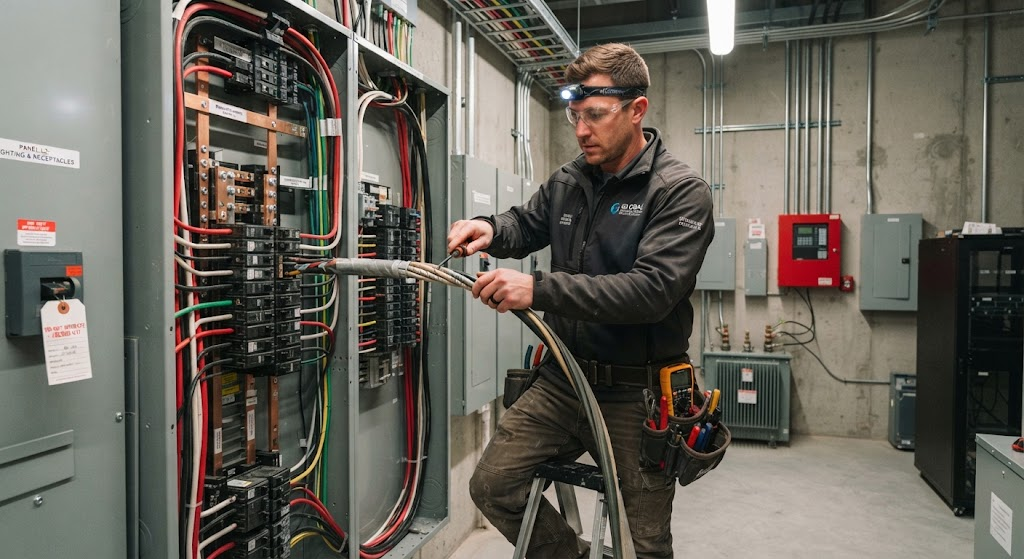
Given the complexity and importance of commercial electrical systems, seeking professional assistance is often necessary. Hiring licensed electricians not only ensures compliance with rigorous safety standards but also saves time and reduces the risk of recurring issues.
Expert contractors bring valuable experience, advanced tools, and the latest techniques to enhance the reliability of electrical systems. They diagnose issues effectively and provide long-term solutions that prevent costly downtime.
Utilizing professional services helps maintain a steady operation, safeguard assets, and protect employees. In a rapidly evolving electrical landscape, leveraging expert knowledge is essential for any business aiming for optimal efficiency.


