Throughout history, bricks have been at the forefront of construction, standing the test of time with their unique blend of strength and aesthetic appeal. In this article, we will explore the reasons why century bricks continue to be a popular choice in modern building practices, despite the emergence of new materials.
The Historical Significance of Century Bricks
Bricks have been utilized for thousands of years, with early forms originating in Mesopotamia around 3500 BCE. However, century bricks, which typically refer to bricks produced around a specific historical period, lead to a rich legacy. The evolution of brick-making techniques through the centuries has led to improved quality and craftsmanship, reflecting both the artisanship of the era and the cultural values of the societies that produced them.
The Cultural Relevance of Century Bricks
The use of century bricks transcends mere practicality; they also carry cultural symbolism. In many regions, especially in Europe, century bricks represent a connection to the past, often used in the restoration of historic buildings. This gives contemporary structures a taste of authenticity, seamlessly blending new constructions with the rich narratives of bygone eras.
Unmatched Durability and Longevity
A fundamental reason for the enduring use of century bricks is their unparalleled durability. Made from natural clay, typically fired at high temperatures, they boast exceptional strength and resistance to harsh weather conditions. Unlike other materials, century bricks stand the test of time, showing minimum wear even after decades of exposure.
Performance Against Weather Challenges
Bricks provide a robust barrier against various elements, including moisture, wind, and UV rays. This quality is particularly advantageous in regions prone to extreme weather conditions. Moreover, their durability contributes to lower maintenance costs, making them an economically savvy choice for building projects. This is one of the many reasons why architects and builders recommend bricks for new constructions and renovation projects.
Aesthetic Appeal in Modern Design
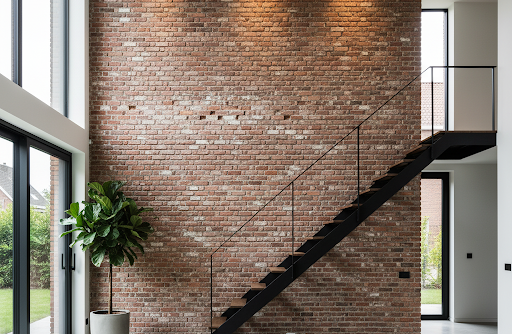
In addition to their strength, century bricks offer a myriad of aesthetic options. They come in various colors, shapes, and textures, providing flexibility in design. Whether used for traditional homes or cutting-edge commercial buildings, these bricks add a touch of elegance and warmth that is often hard to match with other materials.
Enhancing Architectural Versatility
Not limited to facades, century bricks can be employed in landscaping, patios, and walkways, adding character to outdoor spaces as well. Their rich colors create a captivating ambiance that enhances any environment. With modern design trends leaning towards sustainability and natural materials, century bricks undoubtedly fit the bill, appealing to both architects and homeowners alike.
Environmental Benefits of Century Bricks
As sustainability becomes a primary concern in modern construction, century bricks stand out for their environmental advantages. Clay is an abundant natural resource, and the energy consumption during brick production has been significantly reduced over the years due to advancements in manufacturing processes.
Recyclability and Low Carbon Footprint
One of the most compelling factors is the recyclability of century bricks. Discarding old bricks doesn’t equate to waste; instead, they can be crushed and reused in various ways, such as aggregate in new construction projects. Their low carbon footprint not only makes them an eco-friendly option but also aligns with the growing trend of green building practices.
Challenges and Modern Solutions
While the benefits of century bricks are evident, some challenges persist, particularly regarding skilled labor shortages for sourcing quality bricks. However, manufacturers are adapting by investing in technology to increase efficiency and reduce costs while maintaining high standards of craftsmanship.
Innovations in Brick Production
Recent innovations, such as automation and improved kiln technologies, have made brick manufacturing both economical and sustainable. This evolution ensures that century bricks remain accessible for contemporary use while embracing the quality that defined them historically. Companies are now producing bricks that meet modern building codes, ensuring that they are suitable for today’s standards.
For more information on integrating these beautiful materials into your next project, visit resources like Timeless Charm of Brick Veneer and Choosing the Right Bricks.
In an ever-evolving construction landscape, century bricks continue to hold a special place due to their durability, aesthetic appeal, and historical significance. Their ability to blend traditional and modern design ensures that they will remain a favored choice in various building applications for years to come.


