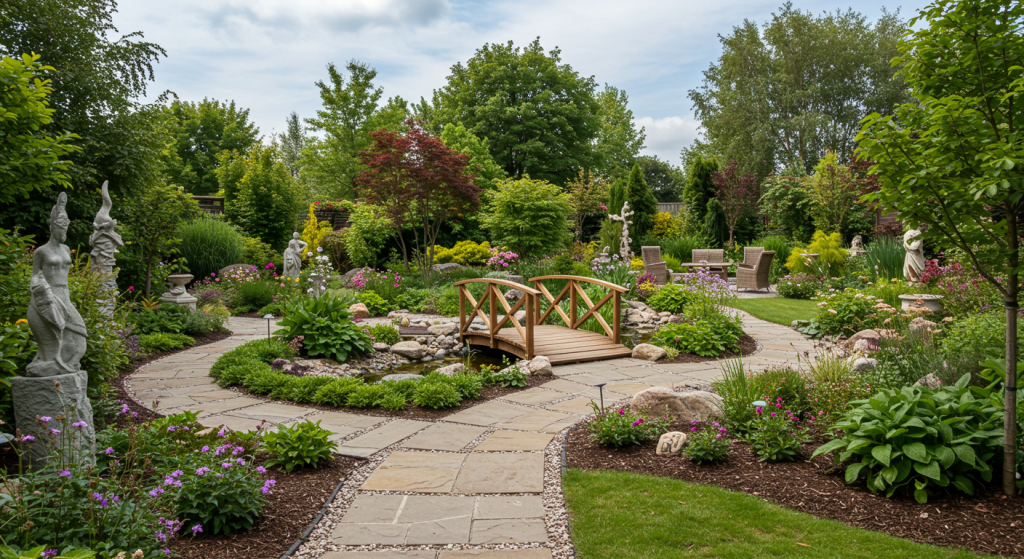
Transforming your outdoor space into an eco-friendly landscape not only enhances the beauty of your home but also contributes to the planet’s health. By embracing sustainable practices and selecting native plants, you can create a vibrant garden that supports local wildlife while reducing your environmental footprint. Explore these invaluable landscaping tips that pave the way for a greener, healthier home.
Understanding Sustainable Practices
Sustainable landscaping is all about reducing human impact on the environment while empowering local wildlife and preserving natural resources. A healthy garden fosters a robust ecosystem that benefits both plants and animals. Start by incorporating native plants into your design. These plants have adapted to your local environment, requiring less water and maintenance than non-native species.
Promote Biodiversity with Native Flora
Native plants not only reduce the need for nitrogen fertilizers and pesticides, but they also provide essential habitats for local wildlife. Seek out local nurseries that offer a variety of these plants to bring beauty and biodiversity into your garden. This simple act can turn your garden into a sanctuary for pollinators like bees and butterflies, which are crucial for maintaining a healthy ecosystem.
Water Conservation Techniques
Efficient water management is crucial in sustainable landscaping. Consider installing a drip irrigation system that delivers water directly to the roots of your plants. This method minimizes water waste and ensures your greenery receives adequate hydration without oversaturation.
Innovative Water Techniques
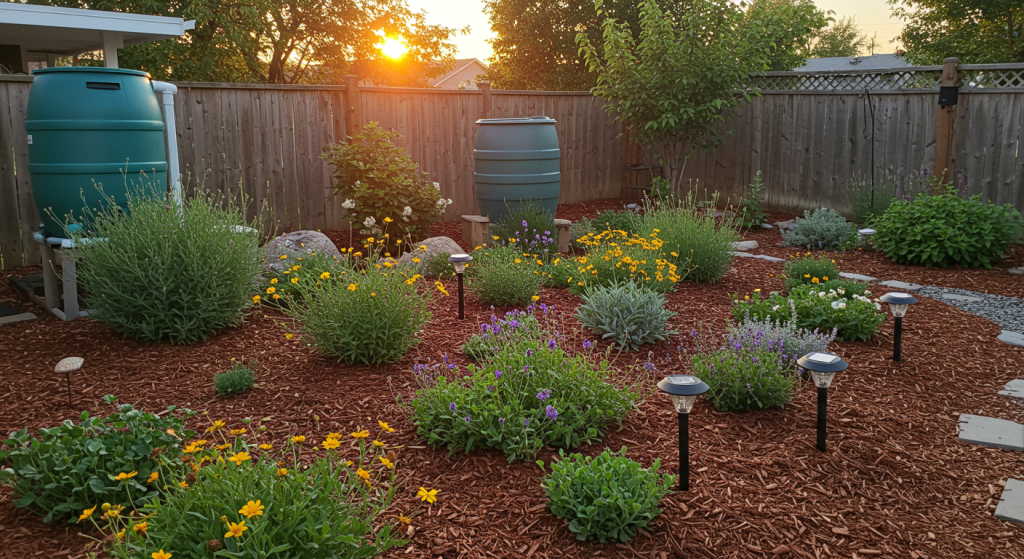
Utilizing rainwater harvesting systems, such as rain barrels, can also significantly reduce your water bill and reliance on municipal water supply. These barrels collect rainwater, which you can then use to irrigate your garden on dry days. Not only does this reduce excess runoff, but it also promotes responsible water usage.
Soil Health and Composting
Healthy soil is the backbone of a thriving garden. Engage in composting, which allows organic kitchen scraps and green waste to decompose, enriching your soil and providing vital nutrients for your plants. This natural process minimizes waste headed for landfills, all while creating a lush environment for garden growth.
Enhancing Soil with Compost
When you add compost to your garden beds, you’ll not only improve soil structure and water retention but increase the presence of important microorganisms that help plants flourish. The vibrant ecosystem created by a compost pile enhances the soil’s ability to support your plants, resulting in a healthier garden.
Adopting Eco-Friendly Lawn Alternatives
Cultivating a lawn can lead to excessive water usage, invasive weeds, and the necessity for chemical treatments. Instead, consider opting for alternatives such as ground covers or drought-resistant grasses like clover. These options require less maintenance, conserve water, and provide a lush appearance without the drawbacks of traditional turf.
Smart Lawn Care Practices
Utilizing natural lawn care methods, such as organic fertilizers, can significantly decrease chemical runoff into local waterways. Consider employing clever mowing techniques—such as keeping the grass taller during summer months—to conserve moisture and promote deeper root systems.
Designing Wildlife-Friendly Landscapes
Enhancing local biodiversity should be a primary focus in your garden. Create an inviting atmosphere for wildlife by incorporating diverse plant species that provide habitats for birds and small animals. Planting a variety of blooms will attract numerous pollinators and create a dynamic, thriving ecosystem.
Building a Pollinator Paradise
In addition to appealing visuals, designing your space to invite pollinators such as bees, butterflies, and hummingbirds has a direct impact on food production and plant health. Consider planting nectar-rich annuals and perennials which not only attract wildlife but also add vibrant color to your landscape.
Leverage Technology for Sustainable Gardening
Embracing modern technology can streamline your gardening efforts and promote sustainability. Utilize smart irrigation systems that adjust watering schedules based on weather patterns. Sensors that monitor soil moisture and light levels can help guide your gardening routines effectively, ensuring maximum resource efficiency.
The Future of Eco-Friendly Landscaping
Trends such as community gardens and green roofs are reshaping urban landscapes, marrying aesthetics with productivity while contributing positively to the environment. These innovative ideas not only offer fresh produce but also foster community bonding and combat urban heat—truly a win-win situation.
Adopting these eco-friendly landscaping practices can transform your outdoor space into a flourishing haven that aligns with both nature and community needs. By starting small and gradually implementing these tips, you’ll contribute to a greener planet while creating an enchanting landscape to enjoy for years to come.
For more information on building a stunning exterior, check out this site and this resource. You can also find useful insights on eco-friendly landscaping at this link. Don’t forget to explore how seasonal maintenance can help your garden thrive year-round!