
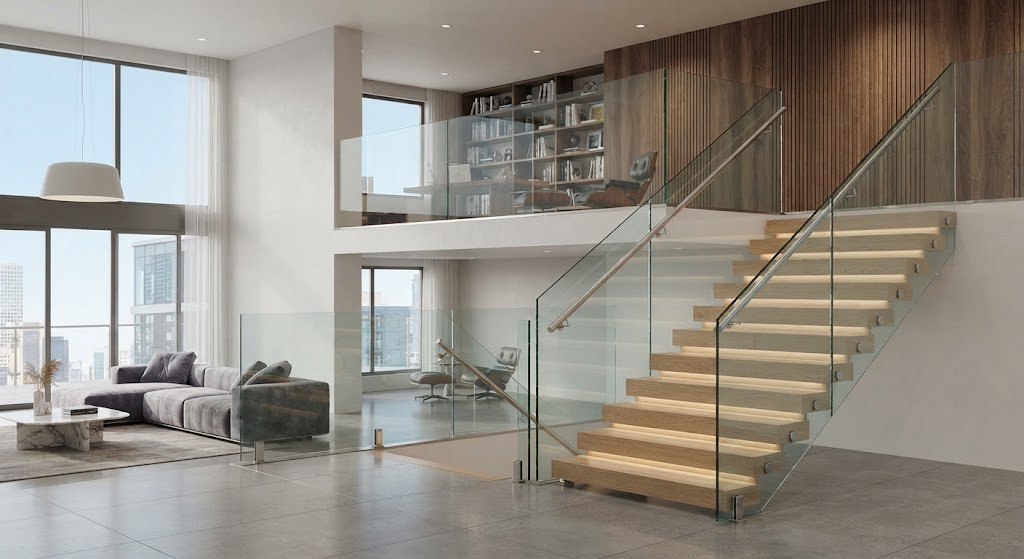
As more homeowners pursue contemporary design aesthetics, glass indoor railings have surged in popularity. They offer a seamless blend of elegance and modernity, providing unobstructed views that enhance any interior space. However, considering their drawbacks is essential before making a decision.
Understanding the Cost Implications of Glass Indoor Railings
The initial expense associated with glass indoor railings often proves to be a significant deterrent for many homeowners. On average, the cost of high-quality glass is markedly higher than alternatives like wood or metal. This encompasses not only the panels themselves but also the specialized hardware and skilled installation required.
Comparing Glass Railings to Traditional Options
When evaluating options, it’s important to note the financial advantages of traditional materials. Wood railings are generally more affordable and easier to install, as they come pre-cut and readily available. In contrast, glass railings frequently require custom measurements and tempered glass, raising manufacturing and handling costs significantly.
Assessing Long-Term Value
While glass railings can potentially increase a home’s resale value, the initial investment can be daunting. Additionally, ongoing cleaning and maintenance can incur further expenses. For budget-conscious homeowners, exploring options like aluminum or composite materials may be more appealing.
High Maintenance Needs of Glass Railings
Many view the upkeep associated with glass railings as an unfortunate yet unavoidable challenge. Their transparent nature means that every fingerprint, streak, and spot is painfully visible, necessitating regular cleaning. Outdoor elements such as rain and dust can quickly tarnish their appearance.
Cleaning Strategies for Optimal Appearance
To maintain the glass’s pristine look, a consistent cleaning regimen is advised. Solutions such as vinegar and water can be employed for eco-friendly maintenance, while commercial glass cleaners offer convenience. Depending on environmental factors, homeowners in dusty regions may find themselves cleaning more frequently, sometimes on a weekly basis.
Challenges of Maintaining Glass Cleanliness
For those living in areas prone to grime or heavy rainfall, maintaining cleanliness can be labor-intensive. Frequent exposure to the elements can lead to noticeable wear on glass surfaces. Implementing a routine that combines regular upkeep with occasional deep cleaning can help in sustaining their aesthetic appeal.
Evaluating Aesthetic Compatibility
While glass railings exude modern sophistication, their sleek curvature may clash with certain architectural styles. Homes featuring rustic or traditional designs may find that glass doesn’t harmonize well with their exterior, creating a disjointed appearance.
Importance of Architectural Cohesion
Choosing a railing that complements your home’s architectural style ensures visual harmony. Wood or wrought iron materials often resonate better with classic designs, while glass can be suited for urban or contemporary spaces. Understanding this compatibility can save homeowners from creating a visually jarring environment.
Mixing Materials for a Compromised Design
Interestingly, some homeowners successfully blend materials by introducing metal or wooden posts with glass panels, providing a union of traditional and modern elements. Such a design might appeal to those wanting a unique aesthetic while maintaining function and safety.
Examining Safety Considerations
The safety aspects surrounding glass railings are another critical area for assessment. Although tempered glass is engineered for durability, it might lack the tactile feedback associated with wooden or metal options. This lack of grip can pose a concern, particularly for families with young children or active pets.
Identifying Risks for Families and Pets
For families, the smooth surface of glass can make it challenging for small children to maintain their balance, especially on elevated decks. Likewise, pets may inadvertently scratch the surface, leading to unsightly marks. Hence, safety becomes an essential consideration for families weighing their options.
Implementing Safety Enhancements
If a family opts for glass railings, solutions such as adding secondary handrails or horizontal bars can provide added stability and security. While these accents might adjust the modern feel slightly, they would still ensure a safe environment for children navigating the stairs.
Addressing Airflow and Heat Issues
Another often-overlooked drawback of glass railings is their impact on airflow. Solid panels can stifle natural breezes, leading to warmer outdoor spaces, especially in hotter climates. This lack of ventilation can render balconies and decks less comfortable during the summer months.
Finding Alternatives for Improved Airflow
For those desiring a breezy atmosphere, considering a hybrid approach might be useful. Utilizing glass panels alongside open railings or incorporating structures like awnings can enhance airflow while still preserving the aesthetic appeal of glass.
Potential for Scratching and Damage
While glass railings aim for longevity, they are not immune to scratches, chips, or other damage over time. The robust nature of tempered glass may resist shattering, but everyday wear can detract from their visual allure.
Maintaining the Integrity of Glass Railings
To preserve glass railings, homeowners can opt for scratch-resistant coatings or practice careful cleaning with minimal abrasive materials. Understanding the potential for damage can guide maintenance practices effectively, reducing the frequency at which repairs may be necessary.
Mitigating Glare Issues with Glass Railings
The transparency of glass railings can also present glare challenges, particularly during sunny days. Reflections can cause discomfort, especially for individuals sensitive to bright light, further complicating the investment in glass railings.
Solutions for Reducing Glare
Homeowners facing glare issues have options such as applying anti-glare coatings or selecting tinted glass for their installations. Additionally, strategically positioning landscaping elements can assist in minimizing direct sunlight exposure, enhancing enjoyment of outdoor spaces without disruptive reflections.
In summary, glass indoor railings are undoubtedly stylish and modern, yet they come with a series of drawbacks that deserve careful consideration. From cost and maintenance challenges to aesthetic compatibility and safety concerns, it’s essential to assess whether these designs fit both personal and practical needs. Engaging with a professional can facilitate a more informed decision aligned with your space and lifestyle.


