
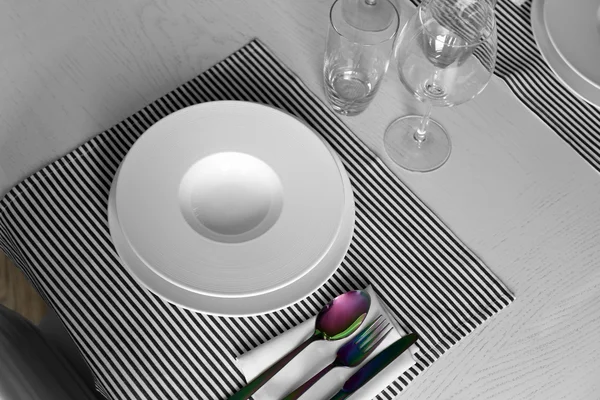
Mastering the art of table setting is essential for any host wanting to create an elegant dining experience. A beautifully arranged table not only adds charm to an occasion but also reflects your attention to detail and cultural awareness. In 2026, organizing a formal table setting is a hallmark of sophistication, whether for weddings, holiday dinners, or upscale gatherings. This guide will take you through the essentials of arranging dinner plates and utensils, ensuring you impress your guests with style and grace.
The Basics of a Formal Table Setting
At the foundation of a formal dining experience is the dinner plate, which serves as the anchor for the arrangement. Place the dinner plate in the center of each guest’s setting, ensuring that it aligns with the host’s vision for beauty and functionality. Surrounding the plate, the correct placement of utensils and glassware conveys the importance of etiquette.
Utensil Placement: A Step-by-Step Guide
One of the key factors of a proper table arrangement is the alignment of utensils:
- Forks: Always place forks to the left of the plate. The salad fork should be positioned outermost, followed by the dinner fork closer to the plate.
- Knives and Spoons: To the right of the plate, position the knife with the blade facing inward. Next to the knife, place the soup spoon if needed.
- Glassware: Glasses should sit directly above the knife. Begin with the water glass, then proceed with red and white wine glasses from left to right.
Enhancing Elegance with Additional Elements
For a formal table setting, additional items can elevate the dining experience:
Plates and Chargers
In formal settings, using chargers beneath the dinner plates adds depth and an exquisite touch. Layers can include:
- Salad Plate: Placed above the dinner plate or set aside for an initial course.
- Bread Plate: Often positioned above the forks, accompanied by a butter knife placed at a 45-degree angle across it.
Centerpieces and Napkins
An attractive centerpiece provides a stunning focal point. Keep it low to facilitate conversation among guests. Napkins can be creatively folded and placed either on the plate or beside the forks, contributing to the overall aesthetic.
Understanding Cultural Nuances and Etiquette
Different cultures have unique table setting rules. Understanding these can showcase your awareness and sensitivity to guests’ backgrounds. For example, in some cultures, utensils may have specific placements based on local customs, influencing how you set the table.
Final Thoughts on Presentation
Consistency and attention to detail in your table setting not only create a visually appealing dining atmosphere but also enhance guests’ comfort and enjoyment. Aim for balance across the table, ensuring that each setting aligns harmoniously with others. This careful arrangement transforms an ordinary meal into an extraordinary occasion.


