In modern design, achieving the perfect blend of privacy and light is essential. One innovative solution making waves in both residential and commercial spaces is obscure glass. With its ability to diffuse light while obscuring visibility, obscure glass presents a multitude of creative uses. By exploring its versatility, you can elevate your space and enhance its aesthetic appeal.
Understanding Obscure Glass
Before diving into specific applications, it’s vital to grasp what obscure glass is. Essentially, it encompasses any type of glass that minimizes visibility while allowing light penetration. Using techniques such as etching, sandblasting, or applying textured patterns, this glass type offers a plethora of designs.
Frosted Glass for Bathrooms
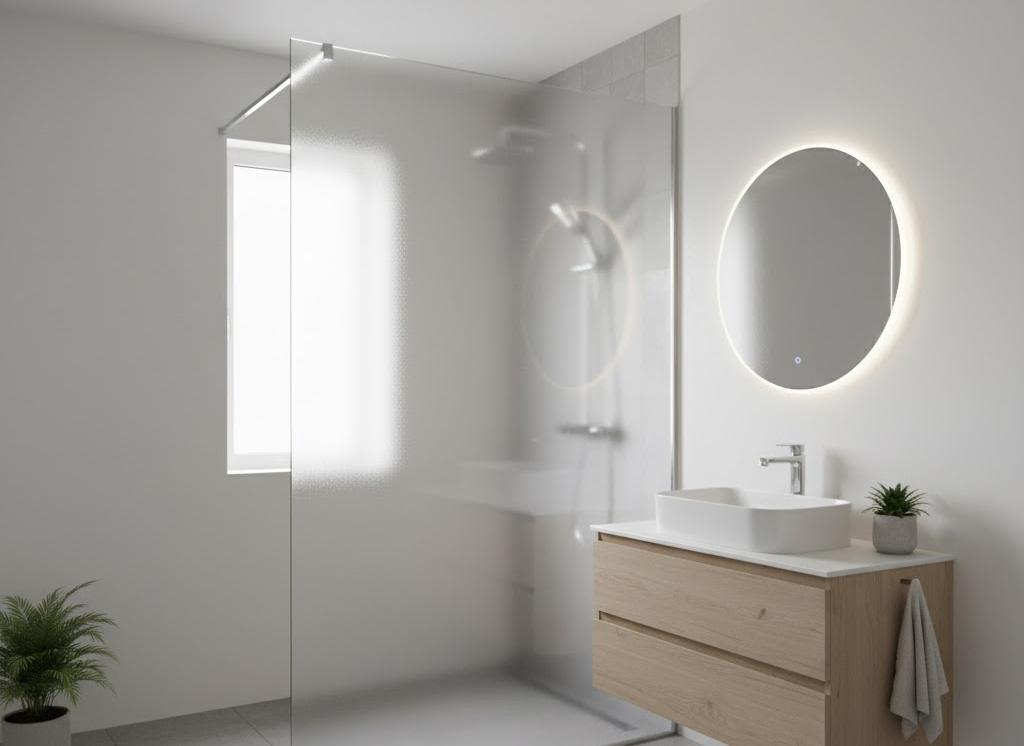
One of the most popular implementations of obscure glass is in bathrooms. Frosted glass adds a touch of elegance while providing essential privacy. Instead of plain clear glass, opting for frosted panels on shower doors or bathroom windows can create a serene atmosphere. It strategically obscures views from the outside while letting in soft light, making the space feel open yet cozy.
Textured Glass in Living Areas
Another fantastic application of obscure glass is in living spaces. Textured glass, featuring designs like rain, ripple, or floral patterns, can transform a mundane room into an artistic haven. For instance, when used in cabinet doors, it not only hides the contents but adds visual interest. This adds a layer of sophistication while mixing functionality with style.
Creative Window Solutions
Windows are the portals to the outside world, but they shouldn’t compromise your privacy. Using obscure glass in windows helps maintain an intimate environment without completely barricading the sunlight.
Obscure Glass for Entryways
Consider utilizing obscure glass in entryway sidelights or transom windows. These areas often face the street and can expose your home, so integrating obscure glass ensures that you can still enjoy natural light while keeping prying eyes at bay. Additionally, textured glass comes in various designs that can complement your home’s architecture, enhancing the curb appeal.
Commercial Applications of Obscure Glass
For business owners, maintaining a private atmosphere is just as crucial as in a home. Obscure glass partitions provide opportunities to create separate workspaces in open-plan offices without blocking out natural light. This option allows for focused work while fostering collaboration in shared areas.
Enhancing Privacy with Decorative Films
If you’re not ready to replace your existing glass, decorative films are an excellent alternative. They can mimic the appearance of obscure glass, providing similar benefits without the permanence. Consider installing these films in:
Kitchen Cabinet Doors
Transform glass-front cabinets with decorative window films that obscure the view of mismatched dishware or clutter. A frosted or patterned film can give your kitchen a sleek, cohesive look while improving aesthetics.
Creating Focal Points
For those wanting to introduce an eye-catching element, stained or colored obscure glass can be used in accent windows or doors. These vivid patterns can create an artistic focal point, bringing a sense of warmth and vibrancy to your home while still retaining privacy.
Innovative Smart Glass Solutions
Technology is revolutionizing the way we think about privacy in design. Smart glass, or switchable glass, allows users to change its transparency with a press of a button. This feature is perfect for luxury homes and high-tech offices, combining the benefits of light control and privacy in a modern package.
Energy Efficiency Considerations
Aside from aesthetics, using obscure glass contributes to energy savings. It helps regulate indoor temperatures by reducing heat transfer and filtering UV rays, making it an eco-friendly choice for your home or office.
Incorporating obscure glass into your spaces not only elevates the aesthetic appeal but also ensures a perfect balance of privacy and natural light. For a seamless integration, consider consulting a glass specialist who can guide you in selecting the best options to enhance your home or office.

