
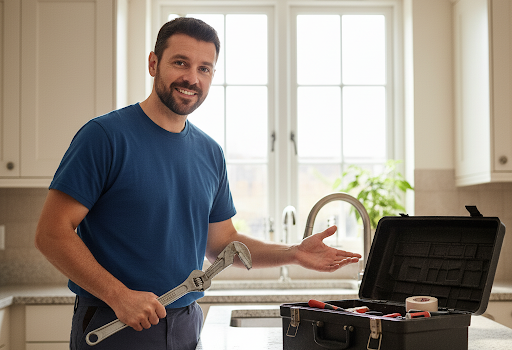
Every homeowner eventually encounters some form of emergency repair situation. Whether due to wear and tear, weather fluctuations, or an unexpected mishap, these issues can range from minor annoyances to major disruptions. Below, we will explore the most frequent emergency repairs and how best to address them.
Understanding Household Emergencies
When faced with a household emergency, it’s not uncommon for homeowners to feel overwhelmed. Questions rush through the mind: “What should I do first?” or “Can I fix this myself?” The key to effectively managing these situations lies in knowing what to do in advance.
Dealing with Grease Fires
One of the most alarming situations in any kitchen is the occurrence of a grease fire. Never attempt to extinguish it with water, as this will only exacerbate the situation. Instead, use a metal lid to cover the flames, effectively suffocating the fire. If a lid isn’t at hand, sprinkling baking soda can also help quell the flames. Always remember, a smoldering stove can lead to potential risks; regular maintenance and avoiding oil spills can greatly minimize these hazards.
Emergency Water Shut-off for Burst Pipes
Experiencing burst pipes can be a nightmare, especially when you are unaware of where the main water valve is located. It’s critical to shut off the water supply immediately to avoid substantial water damage. Once the water is off, inspect the pipes to identify the leak. If the issue arises from freezing temperatures, consider insulating the pipes to prevent future occurrences.
Understanding Other Critical Repairs
Handling Overflows and Toilets
An overflowing toilet is another common emergency. To tackle this, quickly turn off the water supply by locating the valve at the back. Clean up the overflow promptly to minimize damage to the flooring. Next, check for issues such as clogs or malfunctioning parts that could have led to the overflow, ensuring the toilet operates smoothly thereafter.
Dealing with Power Outages
Power outages can create confusion and uncertainty. If the lights go out, first check if your neighbors are also affected. If it’s a localized outage, examine your circuit breakers for any tripped switches. For prolonged outages, keep your perishables like food in the fridge and freezer in mind, planning to either use them or find alternative storage solutions.
Common Pest Problems
Identifying Mice in the Home
Spotting signs of mice in your home can be distressing. Search for droppings or chewed materials which indicate their presence. Seal up any potential entry points with wire mesh or sealant to deter them from returning. Setting traps is an effective way to evict these uninvited guests, and if the problem persists, don’t hesitate to call in a professional.
Ant Infestations
Similar to mice, an ant infestation can become serious very quickly. If you notice trails of ants, clean the area using a vinegar solution to eliminate scent trails they leave behind. Search for cracks or gaps allowing ants entry, and consider setting up traps or contacting a pest control service if the issue escalates.
Addressing Common Appliance Issues
Handling a Smoking Oven
If your oven begins to emit smoke, it’s essential to address it right away. Make sure the oven is clean, clearing out any residue that might be burning. For persistent smoke, switch off the oven, open a few windows to let fresh air circulate, and examine the controls to ensure they’re functioning properly.
Leaks from Water Heaters
If you notice water pooling around your water heater, it’s crucial to check the temperature and pressure relief valve first. This could be an indicator of pressure issues rather than a leak. However, if there’s a significant leak from a cracked tank or valve, shut off the water immediately to prevent further damage, and begin considering your repair options.
Home emergencies can be daunting, but understanding how to respond can make all the difference. By being prepared and knowing the basics of common repairs, you can protect your home and prevent minor issues from escalating into major problems. Stay vigilant and proactive for a safer living environment.


